Wednesday, June 18, Budapest
|
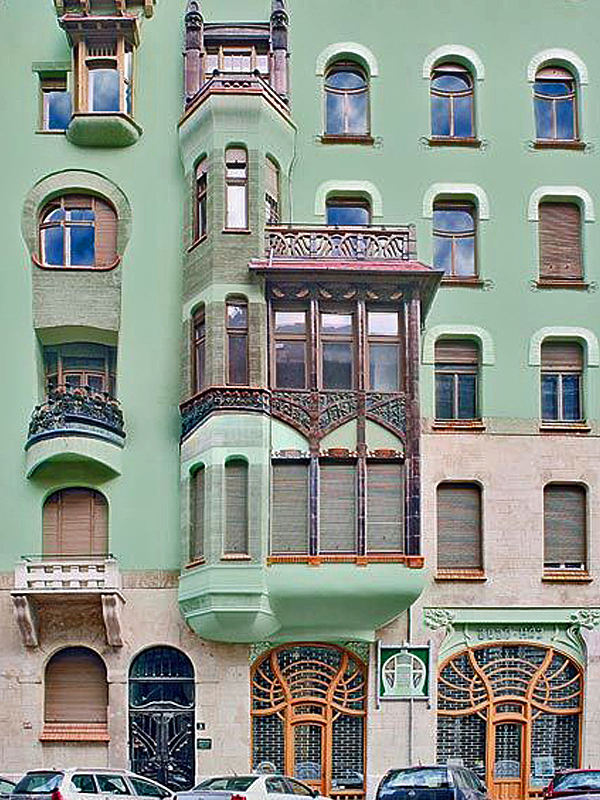
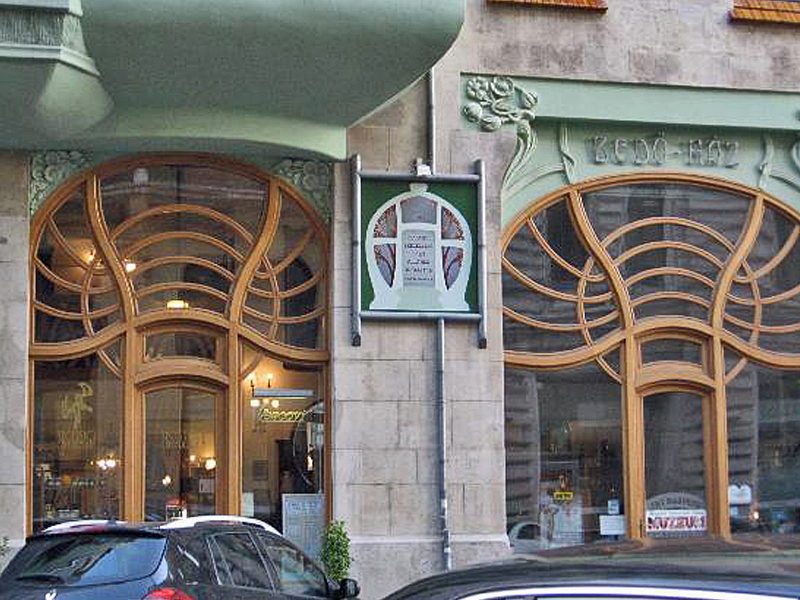
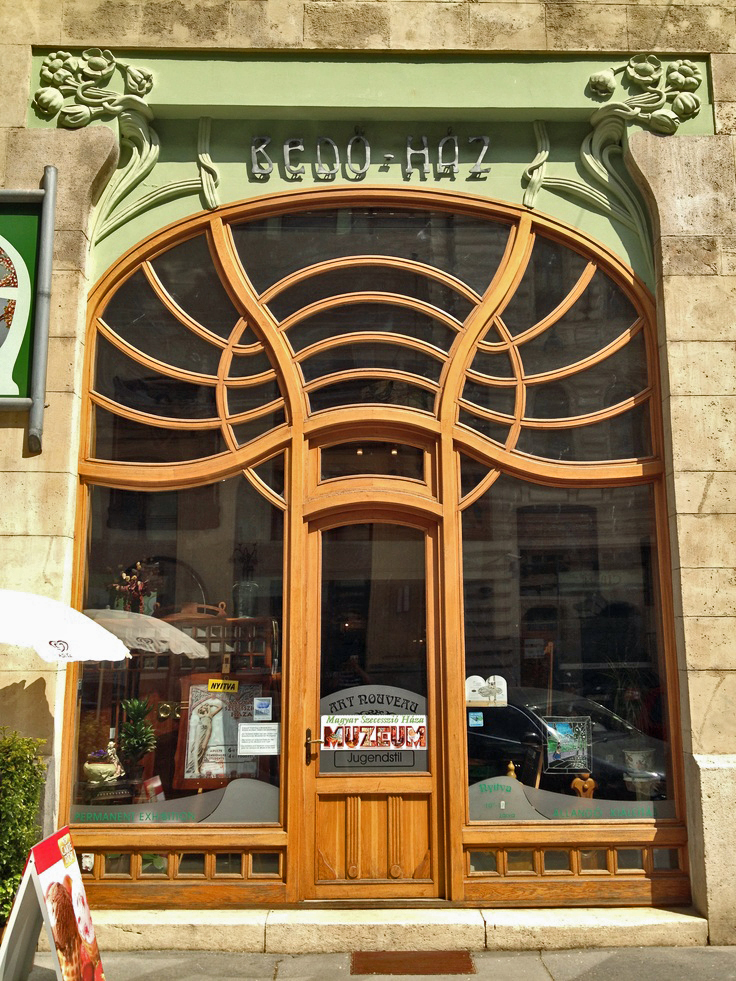
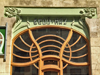
Bedo Ház (Bedo House), also the House of Hungarian Art Nouveau, is a museum dedicated entirely to the Hungarian Art Nouveau (Hungarian Secessionist) style. Everything recalls the beginning of the 20th century, the time when Art Nouveau flourished in Hungary. The museum holds a unique collection of furniture, decor, paintings and other objects related to the Art Nouveau movement. The Szecesszió Cafe is on the ground floor.
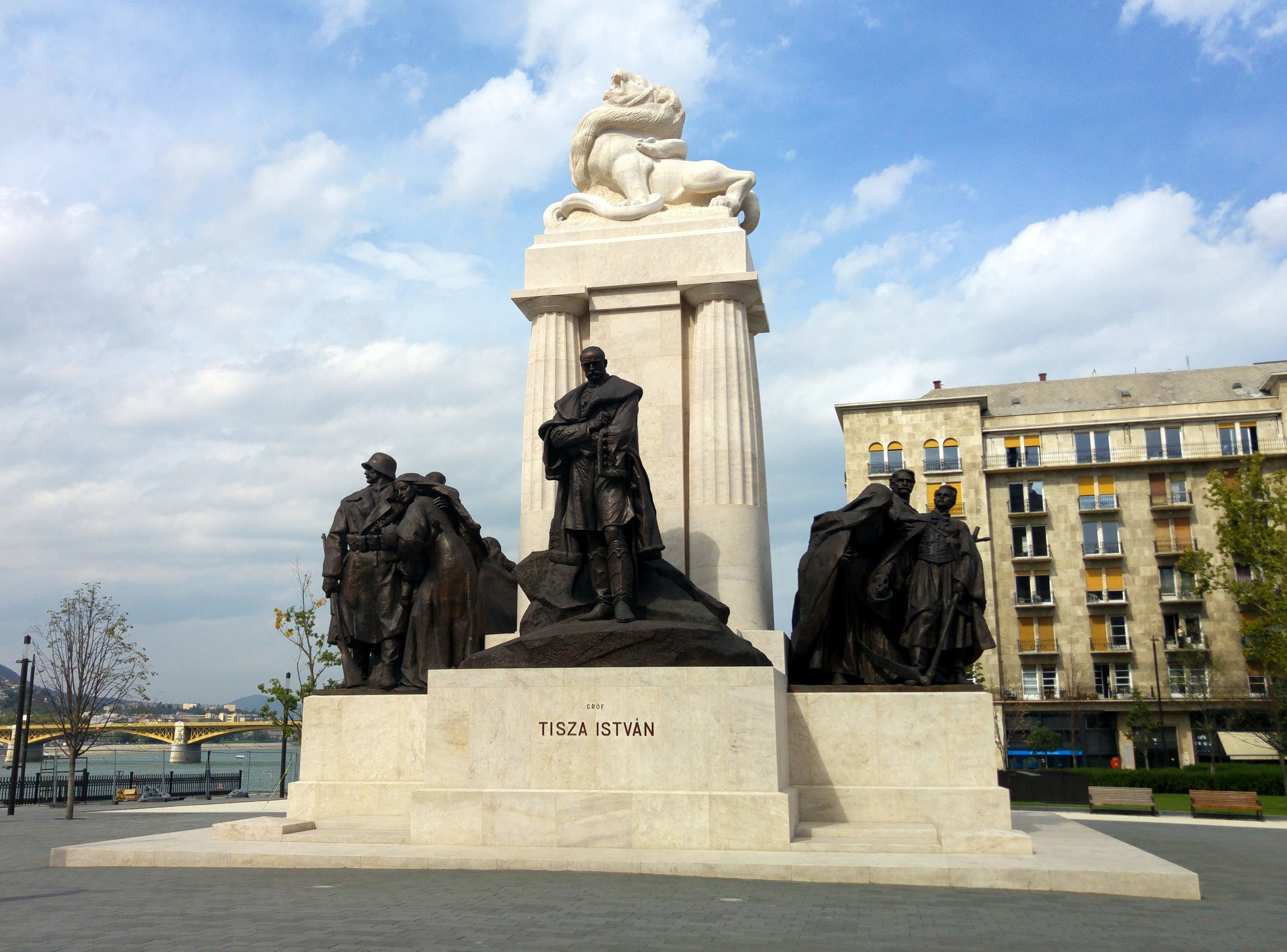
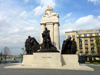
István Tisza Monument, located in Kossuth Lajos Square outside the grand Hungarian Parliament Building. Count István Tisza de Borosjeno et Szeged was a Hungarian prime minister. The prominent event in his life was Austria-Hungary's entry into the First World War when he was prime minister for the second time. He was assassinated during the Aster Revolution on 31 October 1918 - the same day that Hungary terminated its political union with Austria.
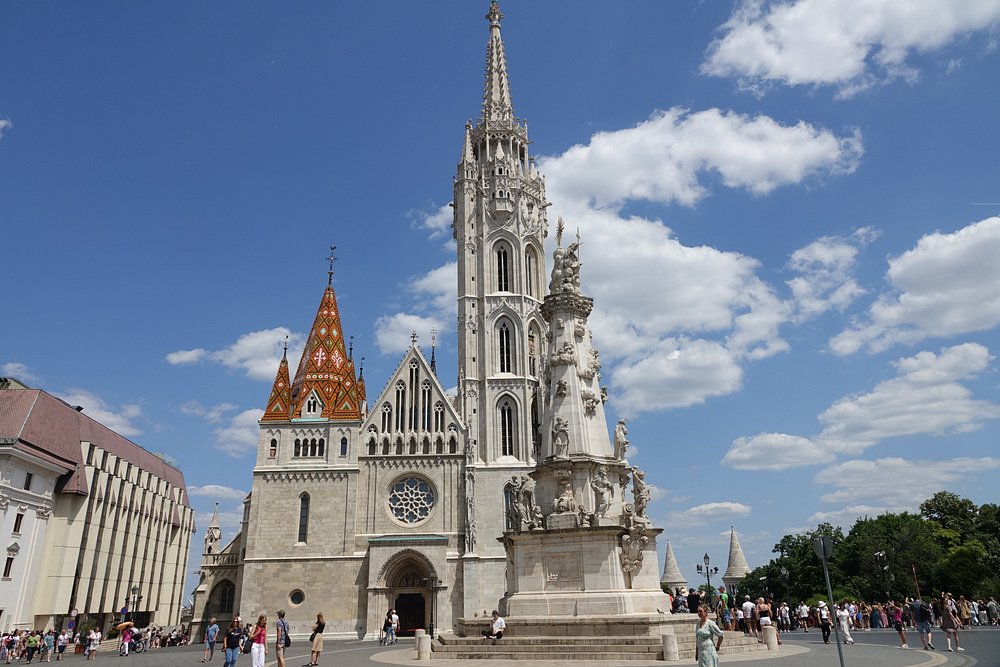
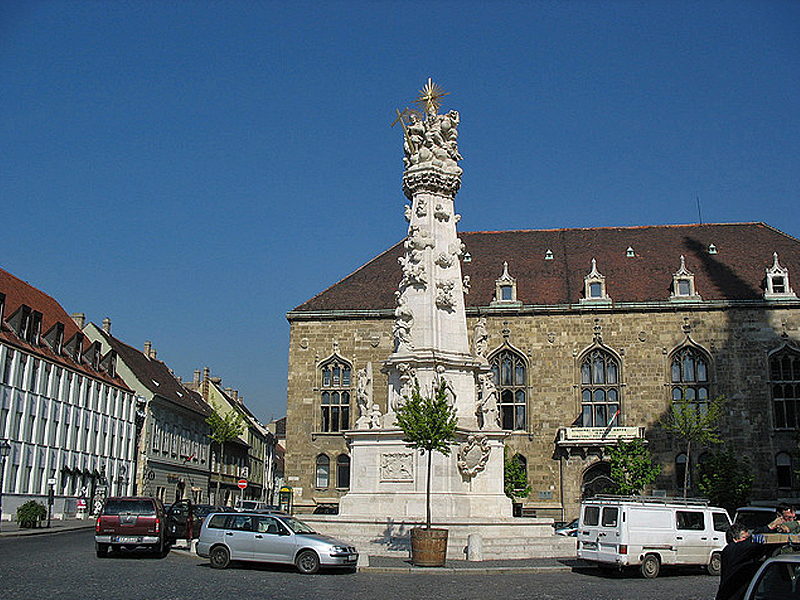
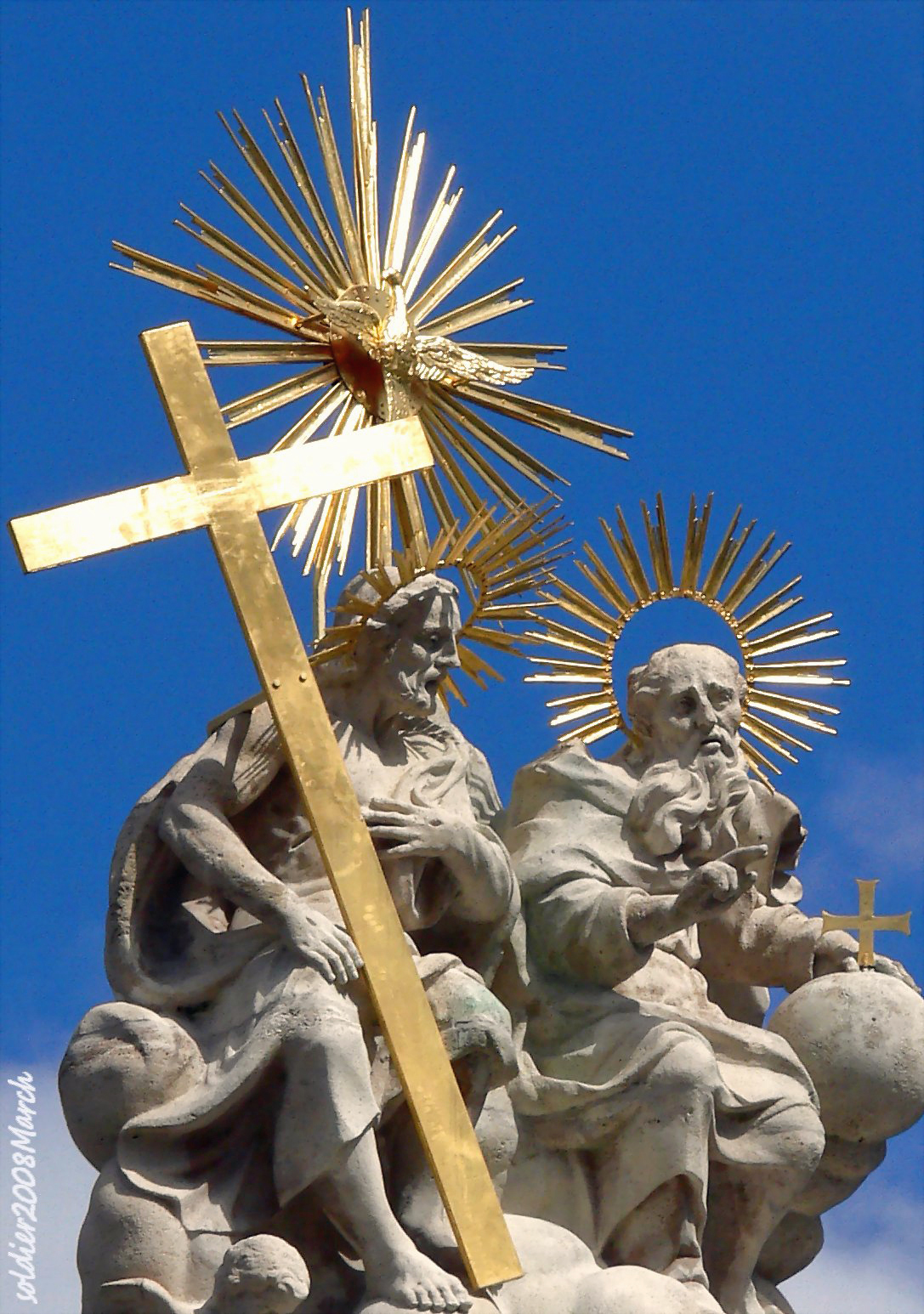
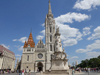
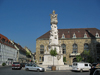
Trinity Square, with the Holy Trinity Statue (also called the Plague Column) and the Mathias Church.
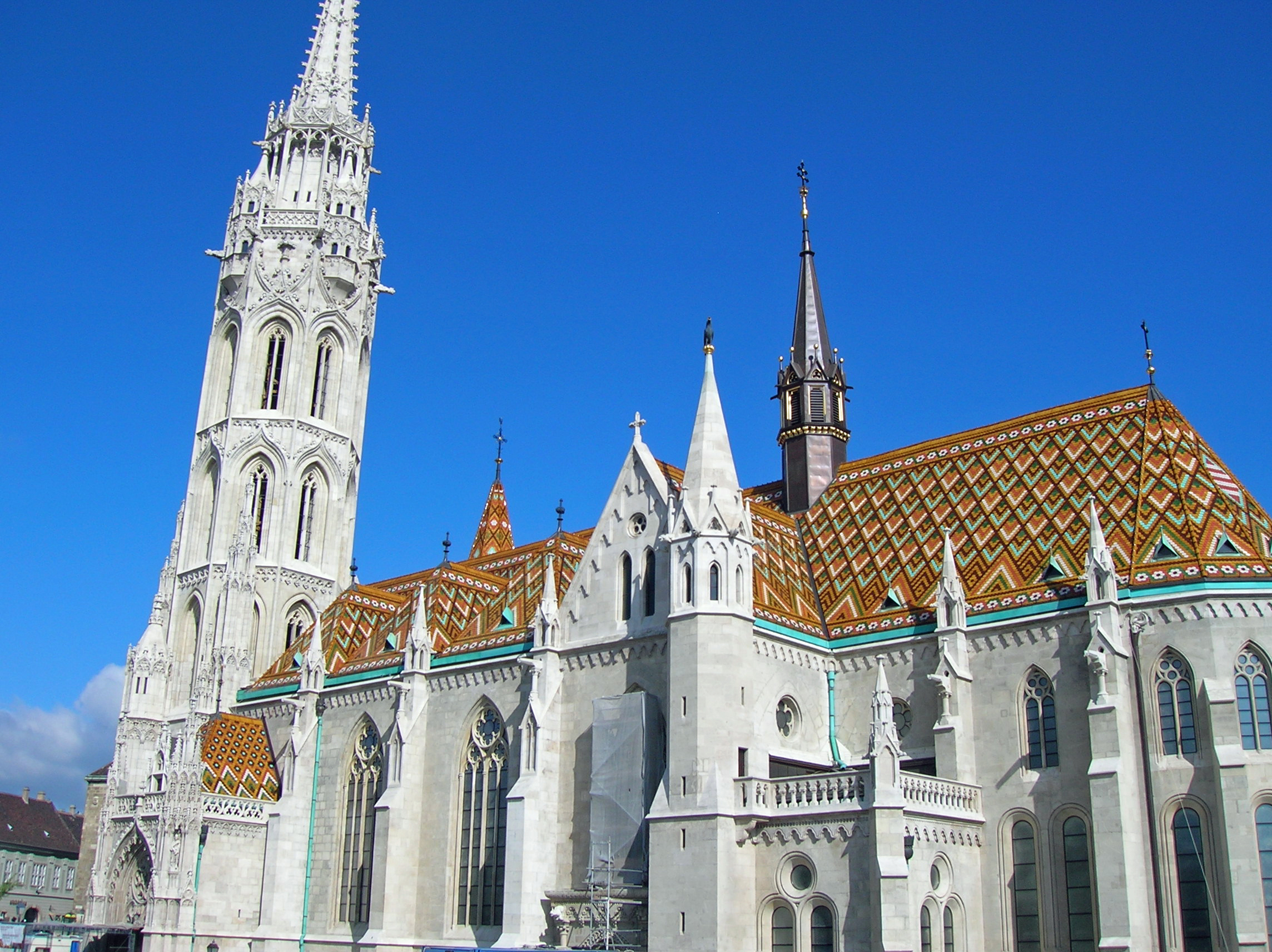
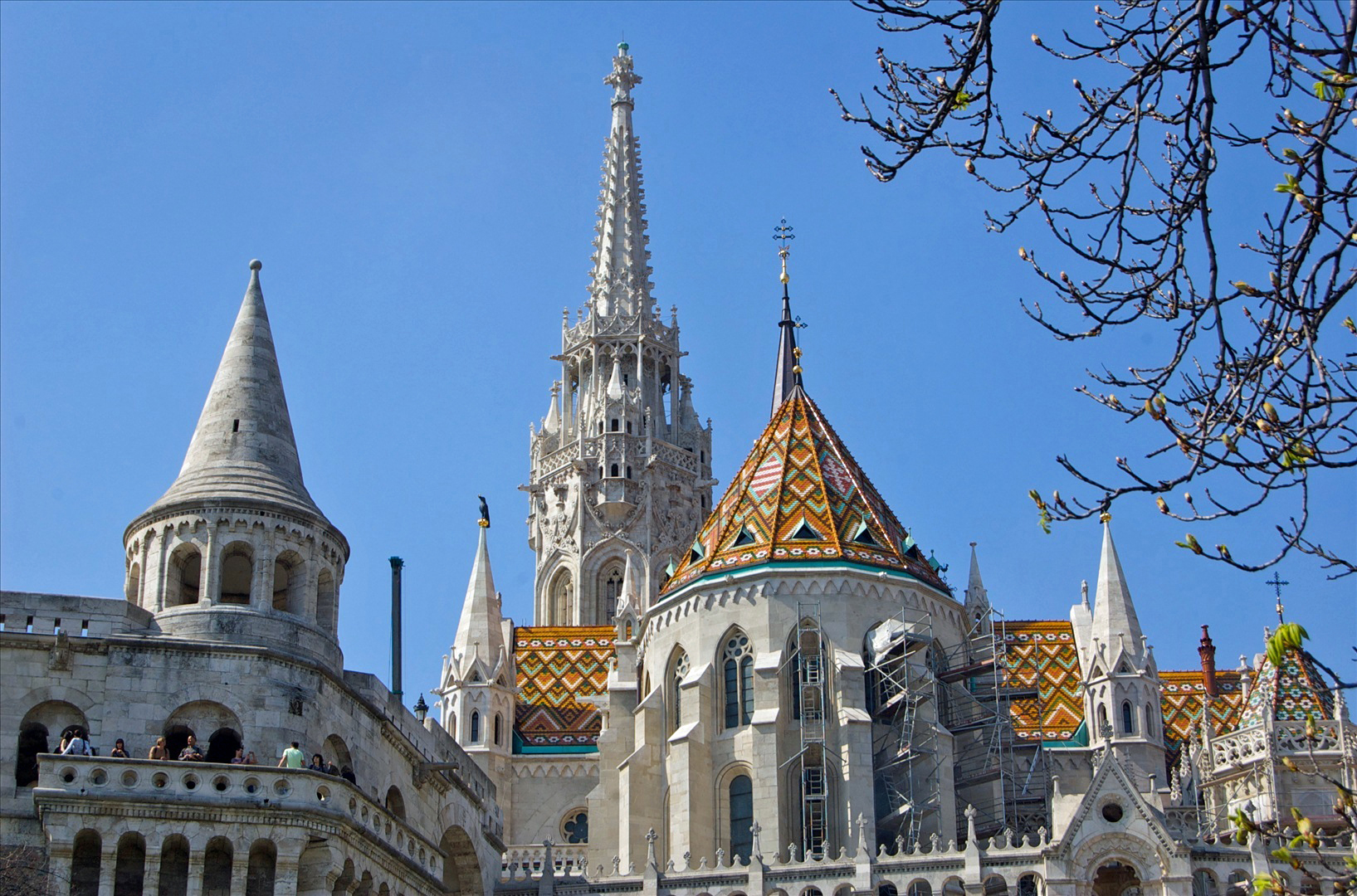
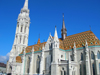
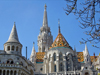
The Church of the Assumption of the Buda Castle, or the Matthias Church, was originally built in 1015. The current building was constructed in the second half of the 14th century and was extensively restored in the late 19th century. The church was also the location of the "Mary-wonder". In 1686, during the siege of Buda city by the Holy League, a wall of the church collapsed due to cannon fire. It turned out that a Madonna statue was hidden behind the wall. As the sculpture of the Virgin Mary appeared before the praying Muslims, the morale of the garrison collapsed and the city fell on the same day.
Mathias Church
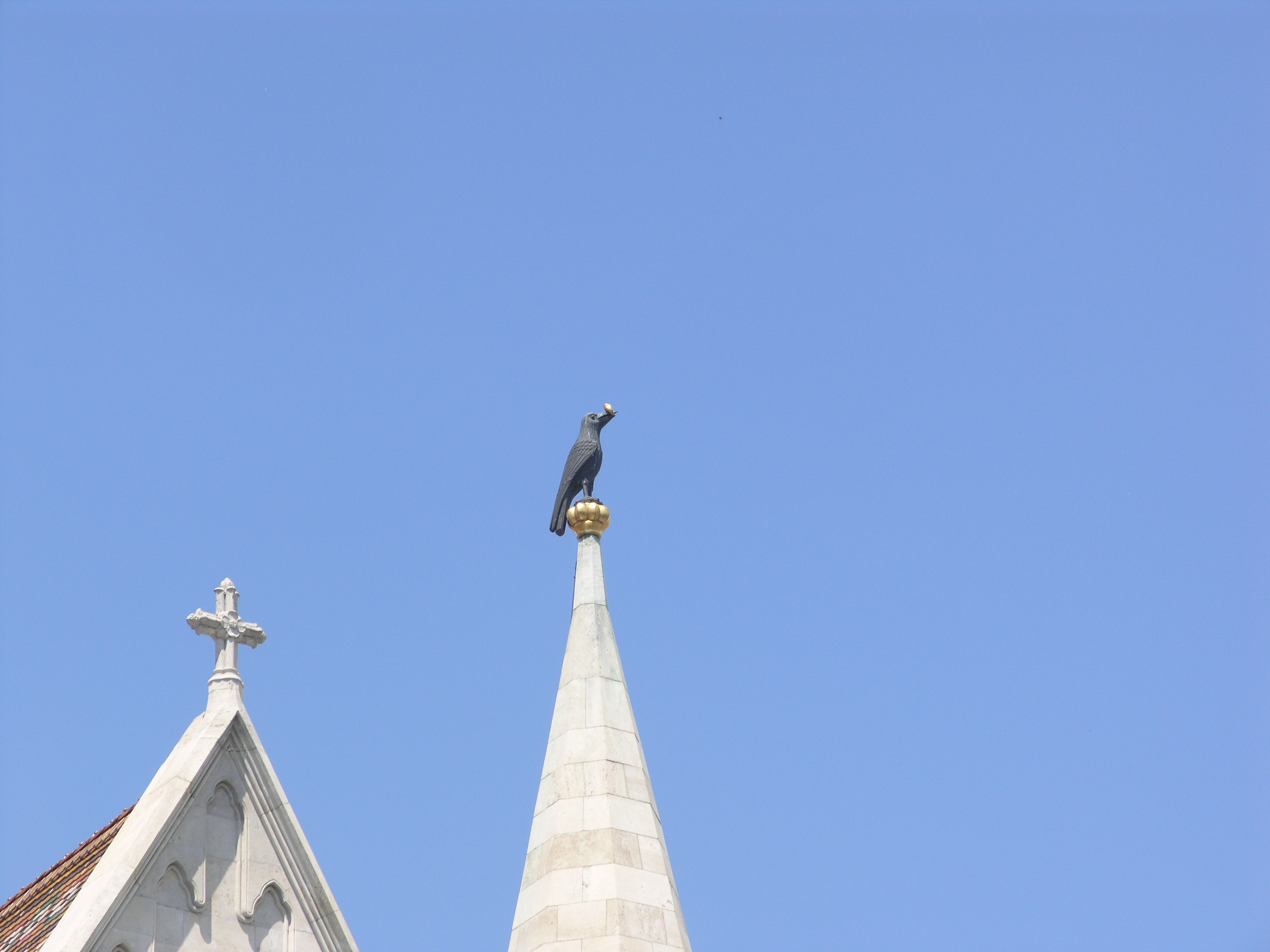
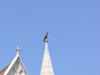
According to Hungarian folklore, during a meeting of King Matthias Corvinus, a raven swooped down and stole the king's ring. The king chased the bird, retrieved the ring, and eventually adopted the raven as his symbol. The raven (or corvus in Latin) is also tied to the king's family name, Corvinus.
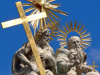
Holy Trinity Statue (Szentháromság-szobor), erected between 1700 and 1706 by the city council, it is a classic Baroque "plague column" built as an offering of gratitude to God for the end of the devastating plague epidemics. The towering pillar is decorated with cherubs and statues of saints, and is topped with a representation of the Holy Trinity.
|