Beaufort
|
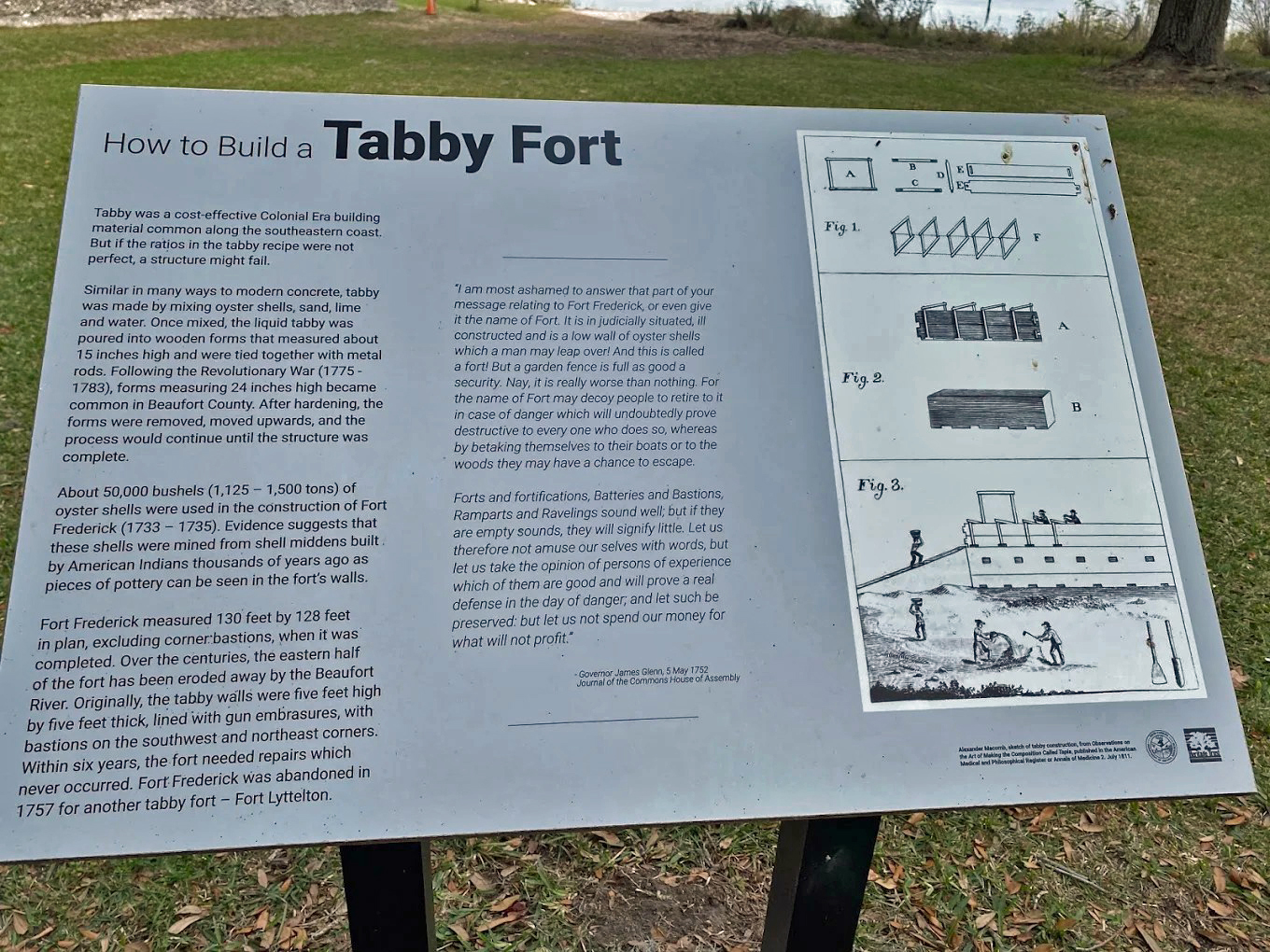
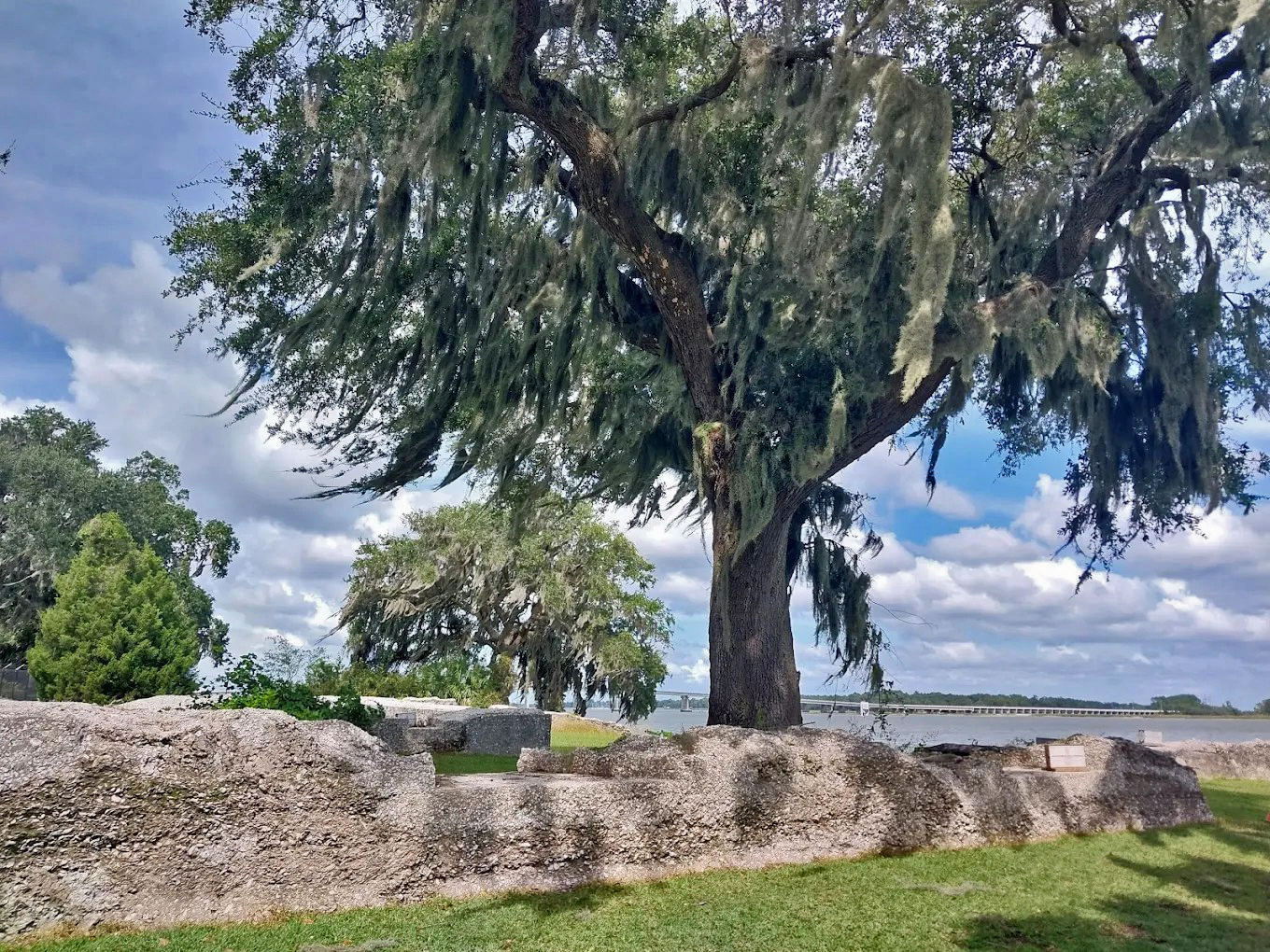
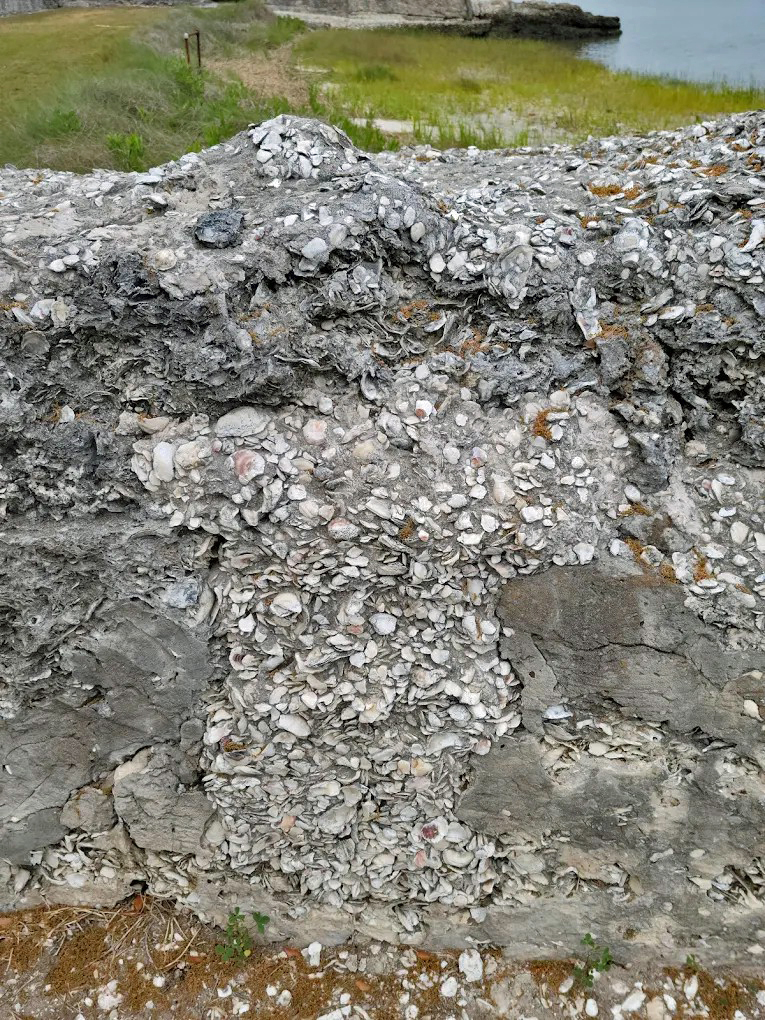
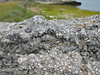
Tabby is a type of concrete made by burning oyster shells to create lime, then mixing it with water, sand, ash and broken oyster shells. Tabby was used by early Spanish settlers in present-day Florida, then by British colonists primarily in coastal South Carolina and Georgia. It is a man-made analogue of coquina, a naturally occurring sedimentary rock derived from shells and also used for building.
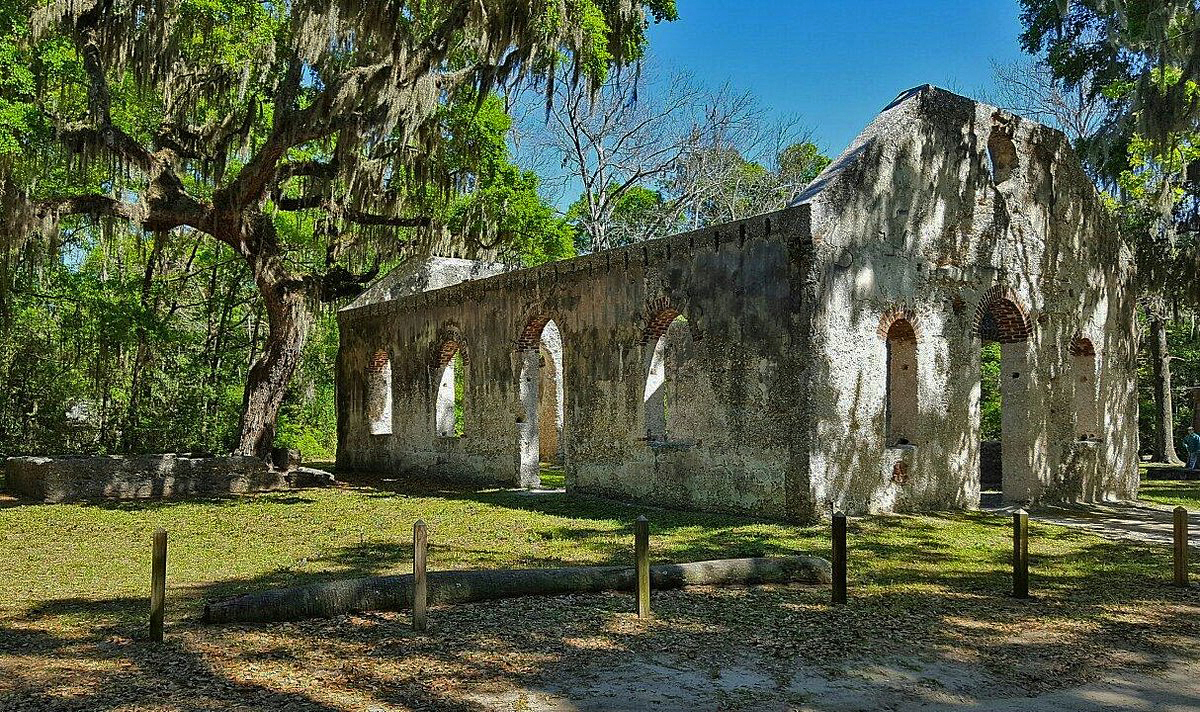
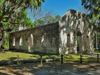
St. Helena Parish Chapel of Ease ruins is a historic site in Frogmore, on Saint Helena Island. The Anglican chapel was constructed in 1740 by enslaved people on Saint Helena Island as a chapel of ease for parishioners who had difficulty traveling to worship at the Parish Church of St. Helena in Beaufort, South Carolina.
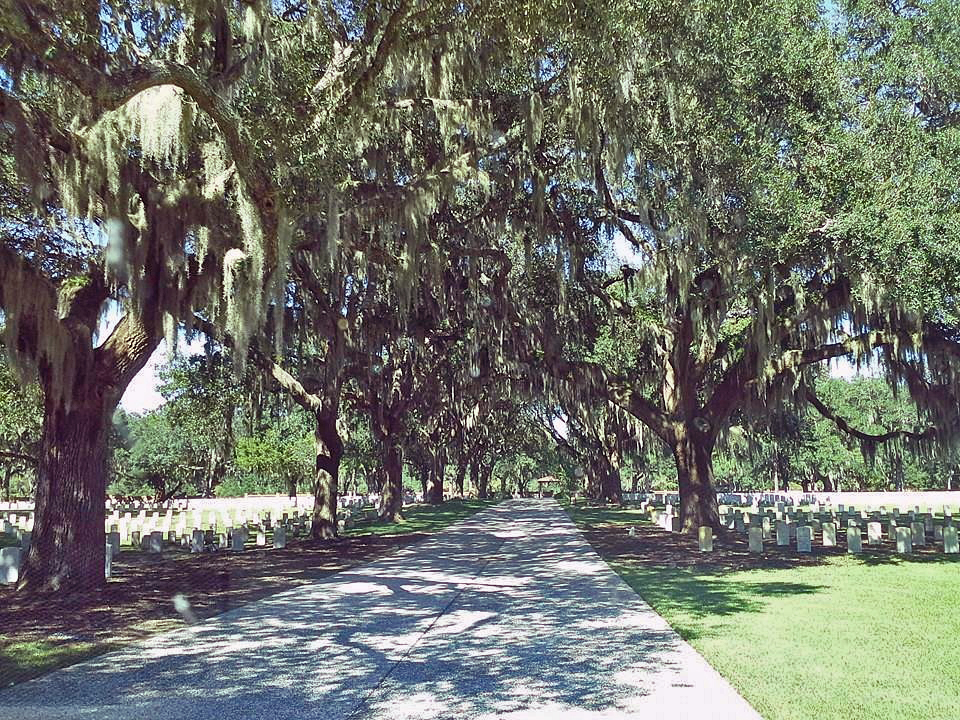
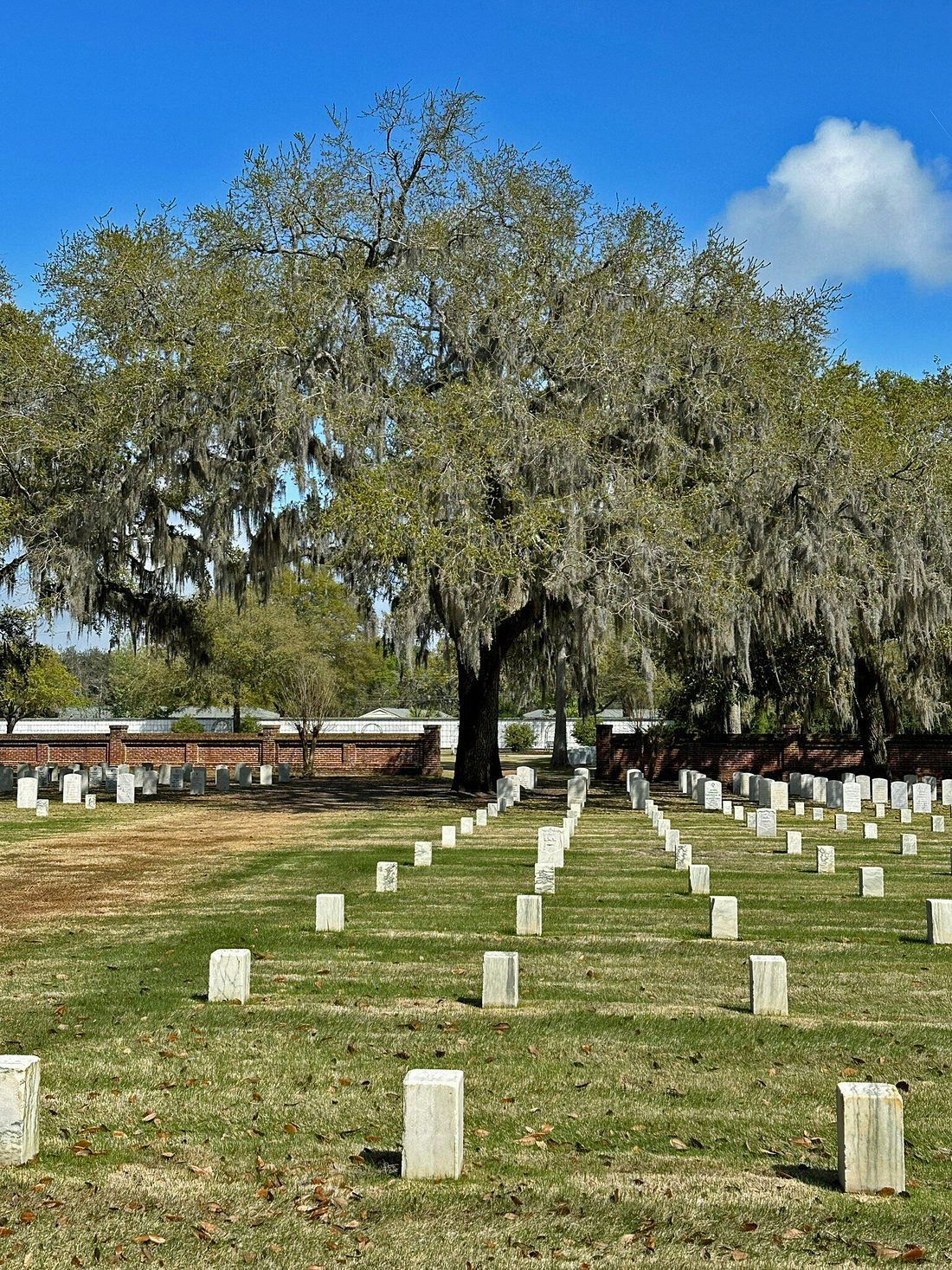
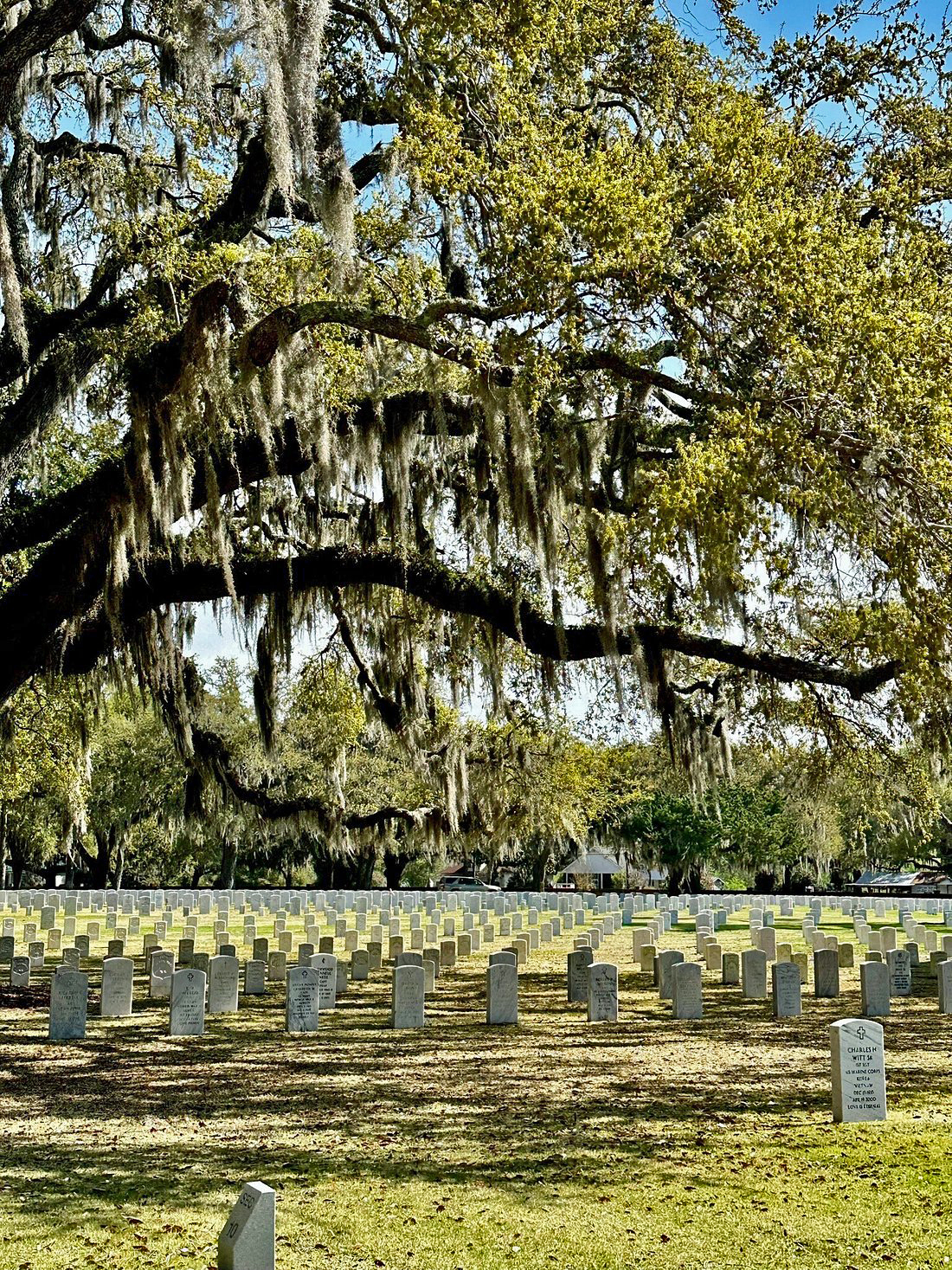
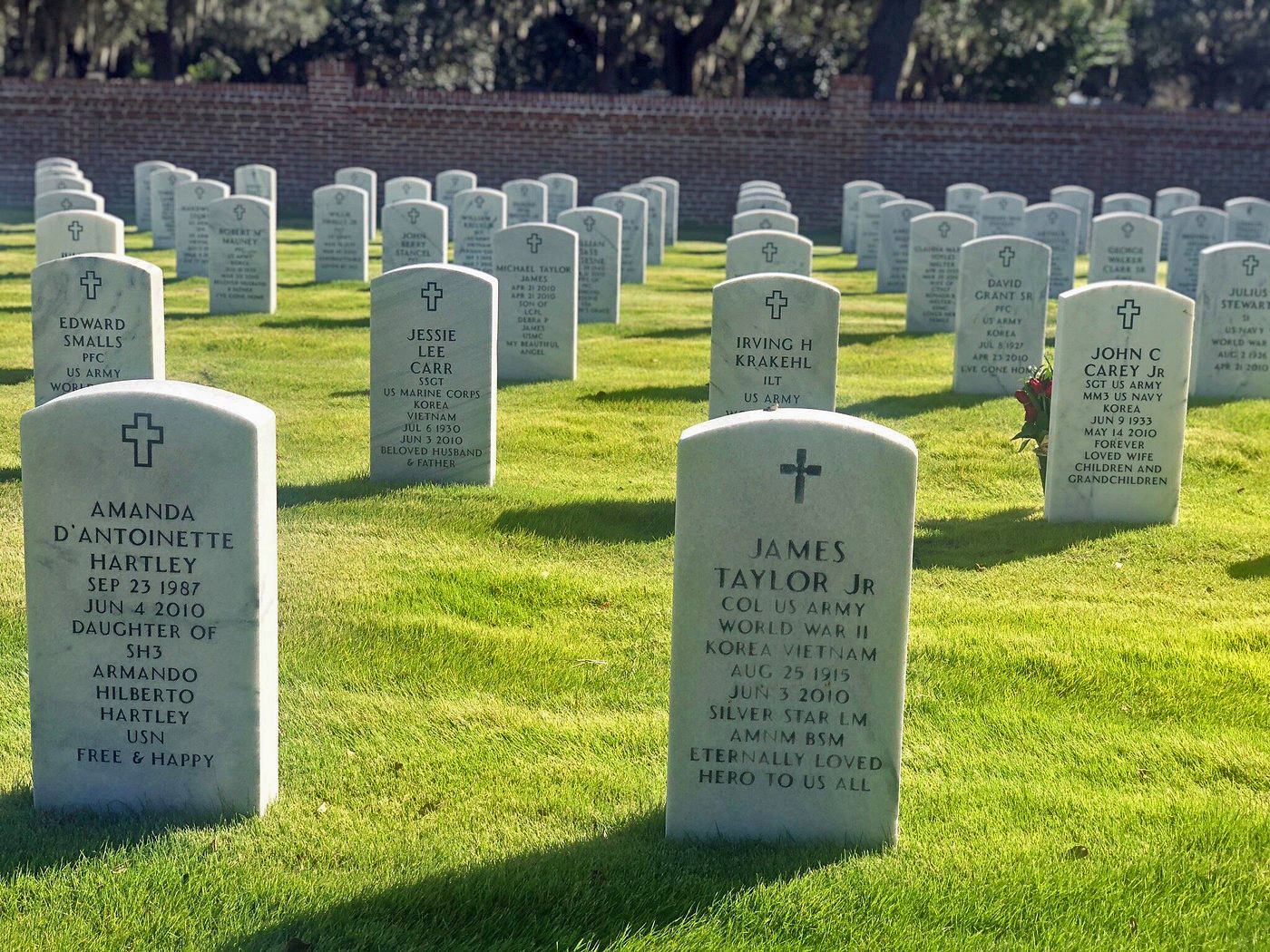
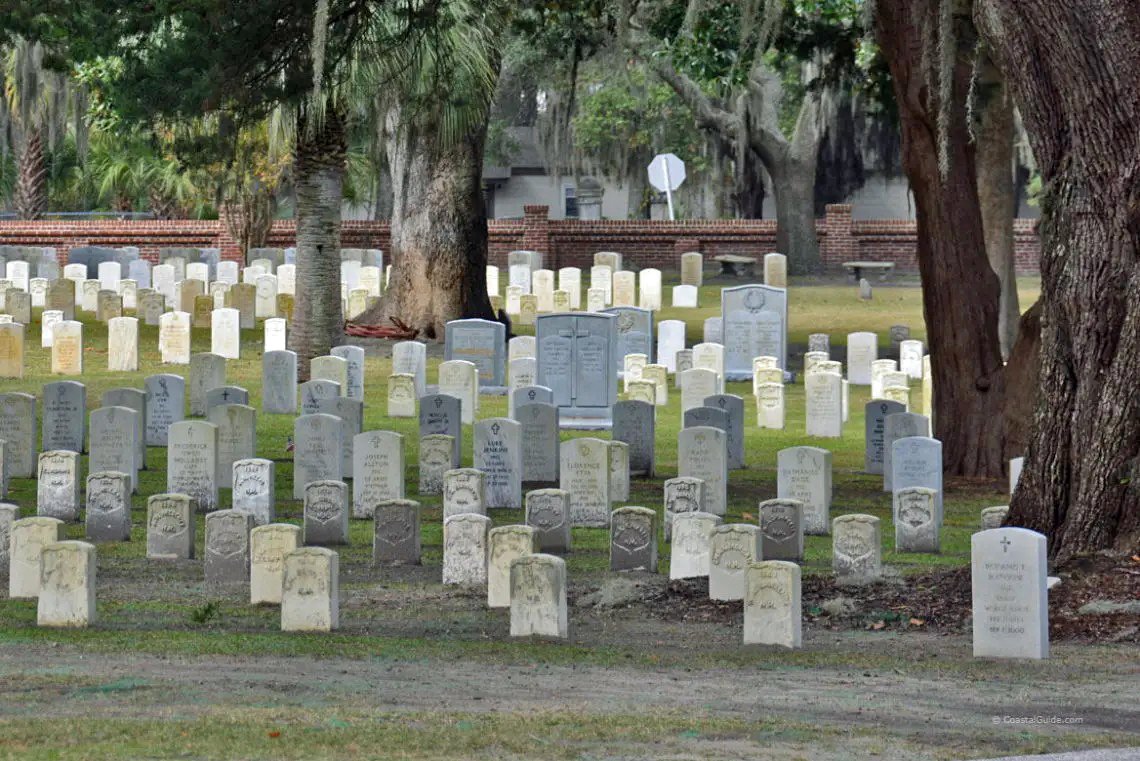
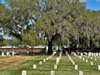
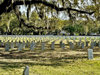
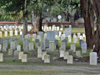
Beaufort National Cemetery is a National Cemetery managed by the Department of Veterans Affairs. The original interments in the cemetery were men who died in nearby Union hospitals during the occupation of the area early in the Civil War, mainly in 1861, following the Battle of Port Royal. Battlefield casualties from around the area were also reinterred in the cemetery, including over 100 Confederate soldiers. It became a National Cemetery with the National Cemetery Act by Abraham Lincoln in 1863. Of the Civil War soldiers buried here, there are: 9,000 Union soldiers (3,607 unknown,) 2,800 POWs from the camp at Millen and 1,700 African-American union soldiers. There are also 102 confederate soldiers. The remains of 27 Union prisoners of war were reinterred from Blackshear Prison following the war. The cemetery now has interments from every major American conflict since the Civil War, including the Spanish–American War, the Korean War, the Vietnam War, and the Gulf War.
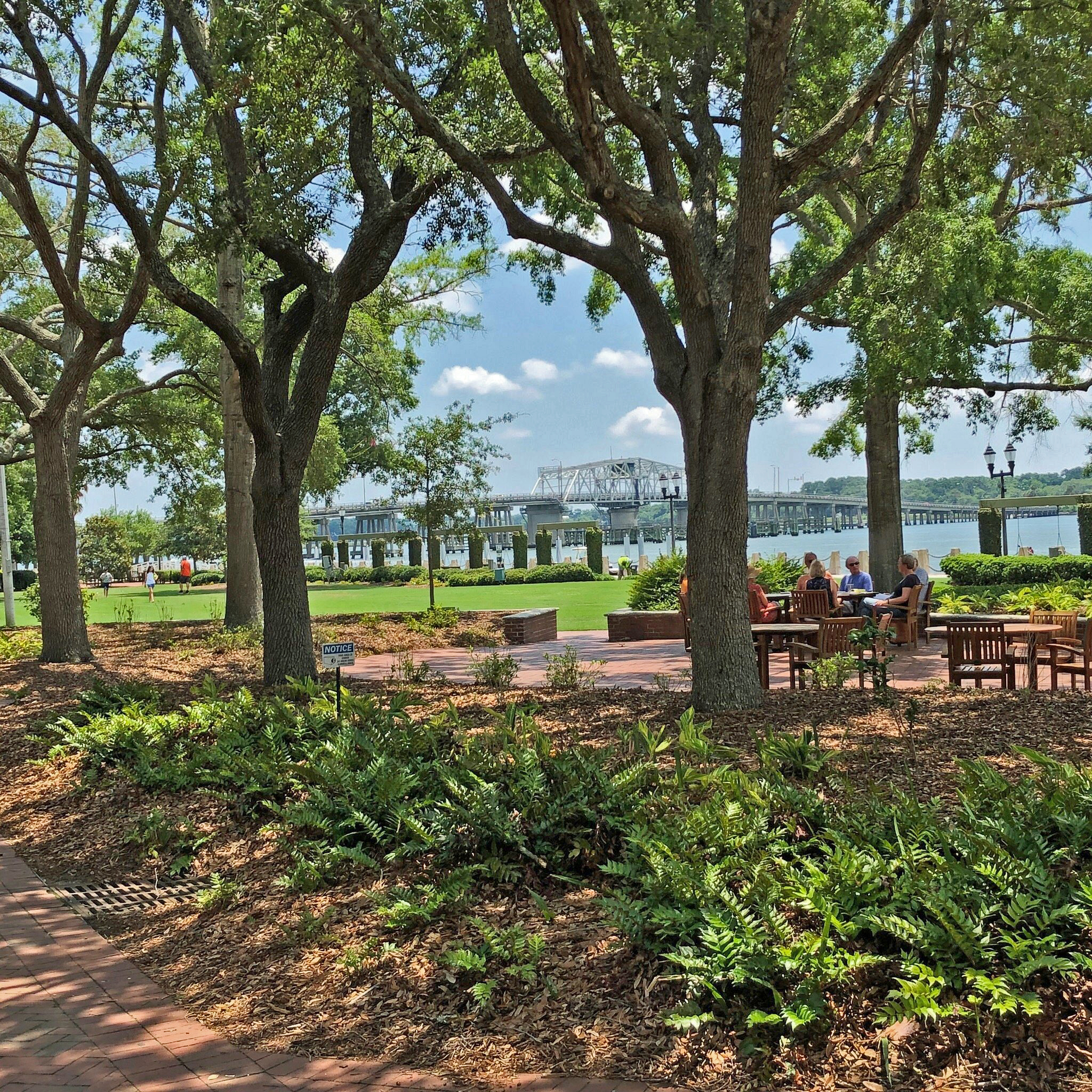
City waterfront park |