Saturday, July 1
|
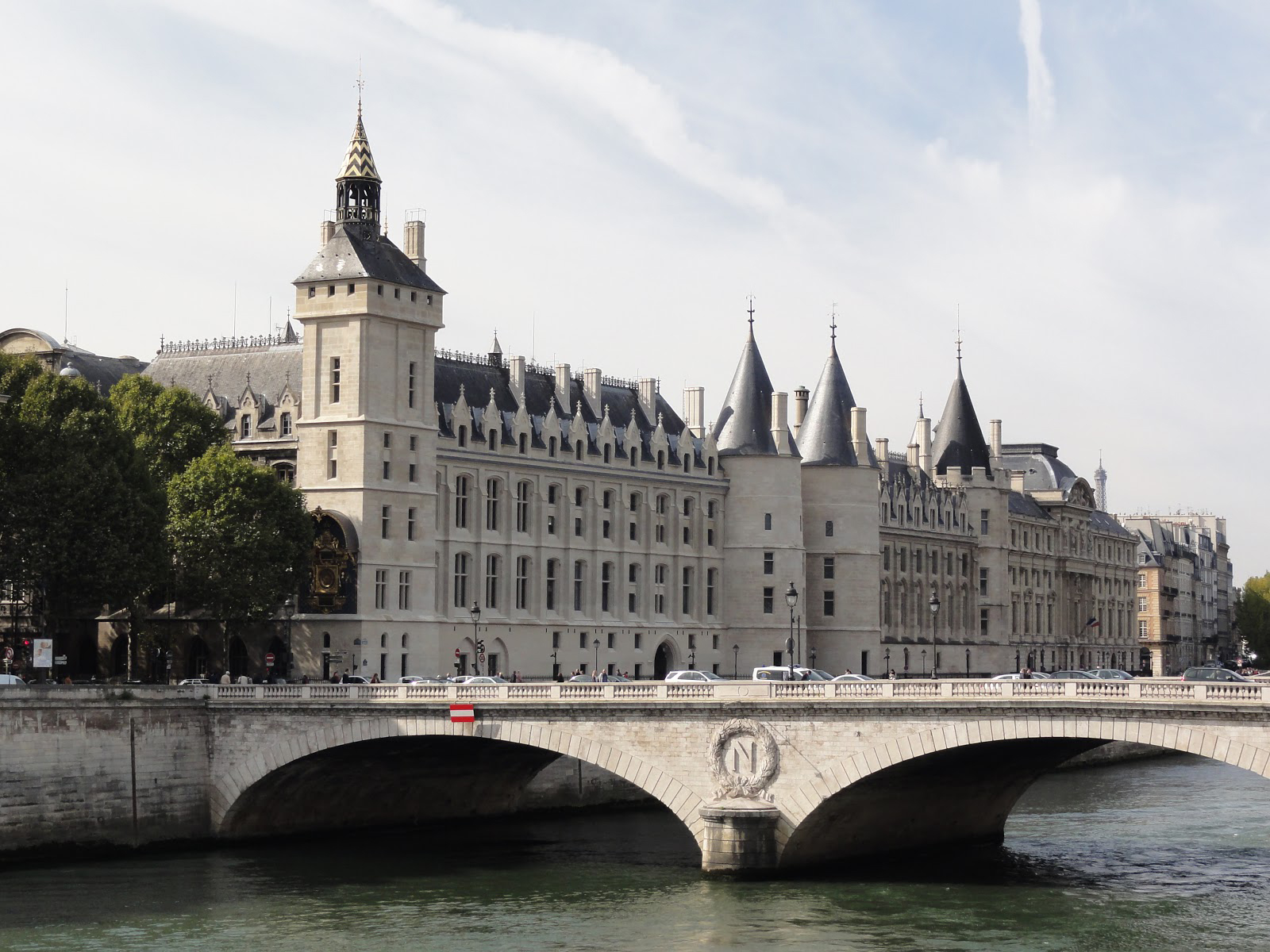
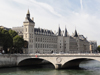
The Conciergerie is located on the west of the Île de la Cité, formerly a prison but presently used mostly for law courts. It was part of the former royal palace, the Palais de la Cité, which consisted of the Conciergerie, Palais de Justice and the Sainte-Chapelle. The concierge, or keeper of the royal palace, gave the place its eventual name. Hundreds of prisoners during the French Revolution were taken from the Conciergerie to be executed by guillotine at a number of locations around Paris.
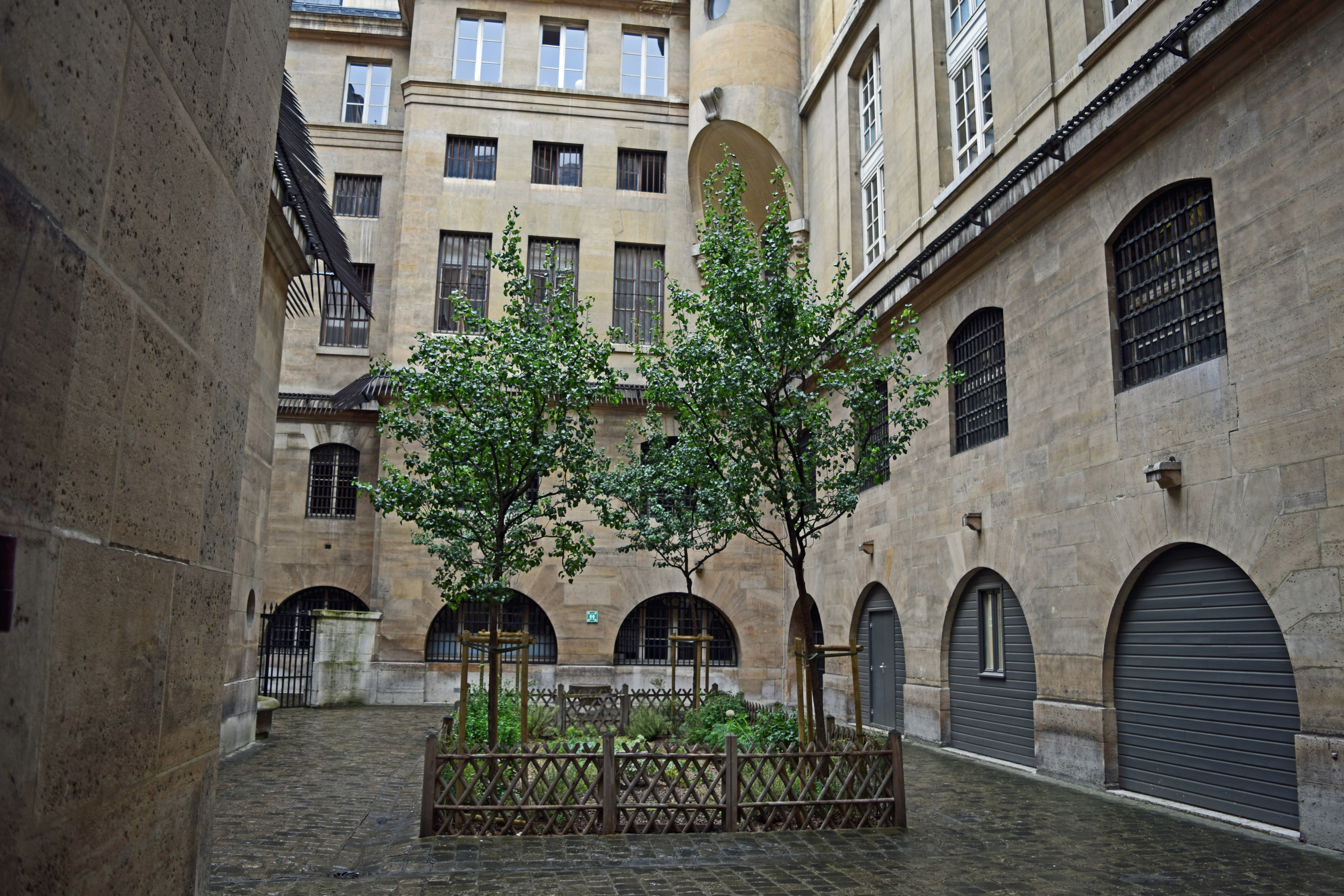
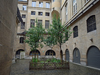
The Women’s Courtyard, surrounded by two floors of prisoners’ cells. Women were able to wash clothes in a fountain in the courtyard. The Corner of the Twelve is visible in the background on the left. Prisoners were held here in groups of twelve and allowed to say their good-byes through the grate before being taken in a tumbrel to the guillotine.
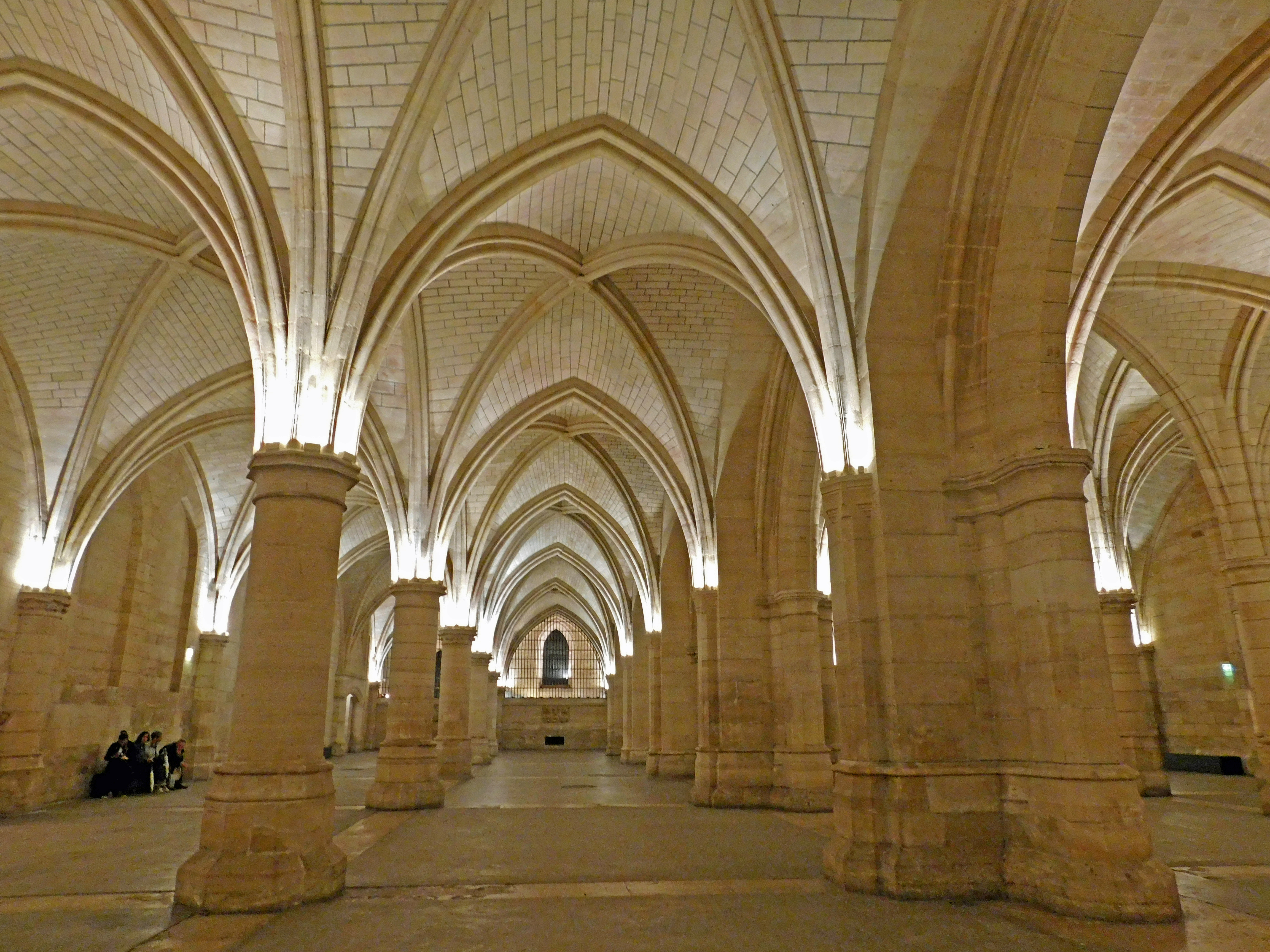
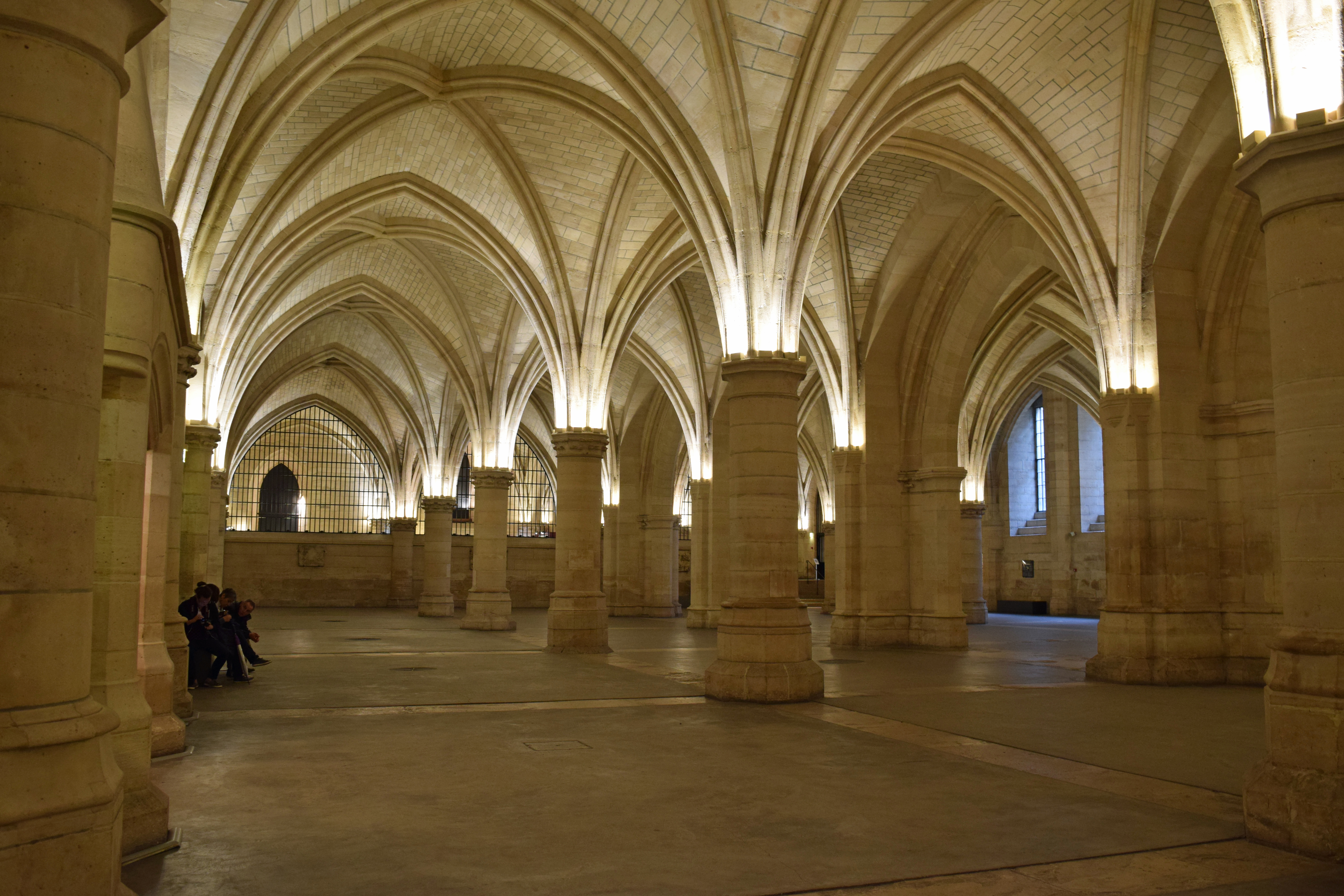
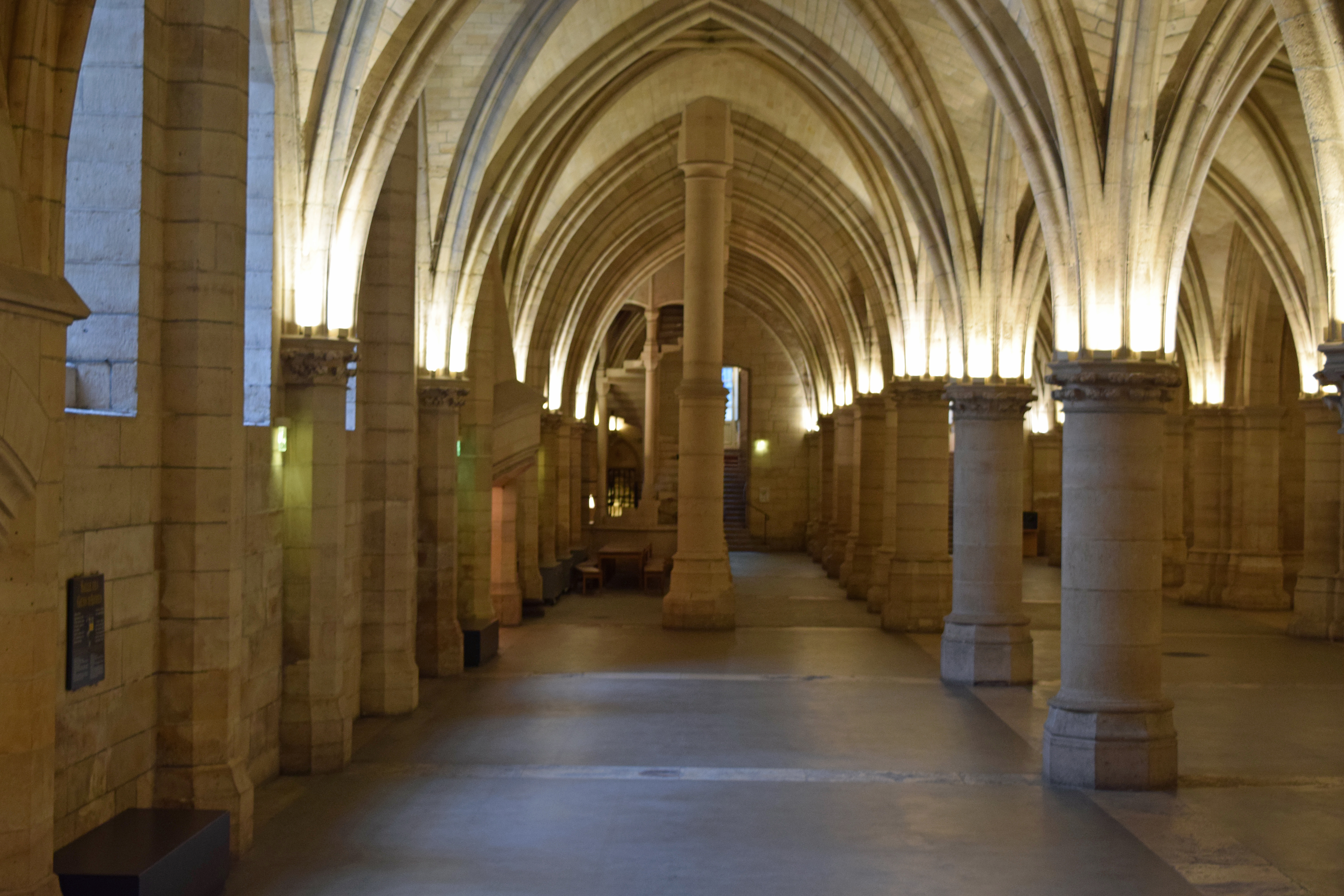
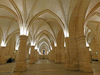
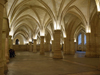
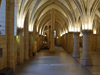
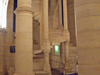
The Grand Salle (Great Hall) was one of the largest in Europe, and its lower story, known as "La Salle des Gens d'Armes" (The Hall of the Soldiers) was used as a dining room for the 2,000 staff members who worked in the palace. It was heated with four large fireplaces and lit by many windows, now blocked up. It was also used for royal banquets and judicial proceedings.
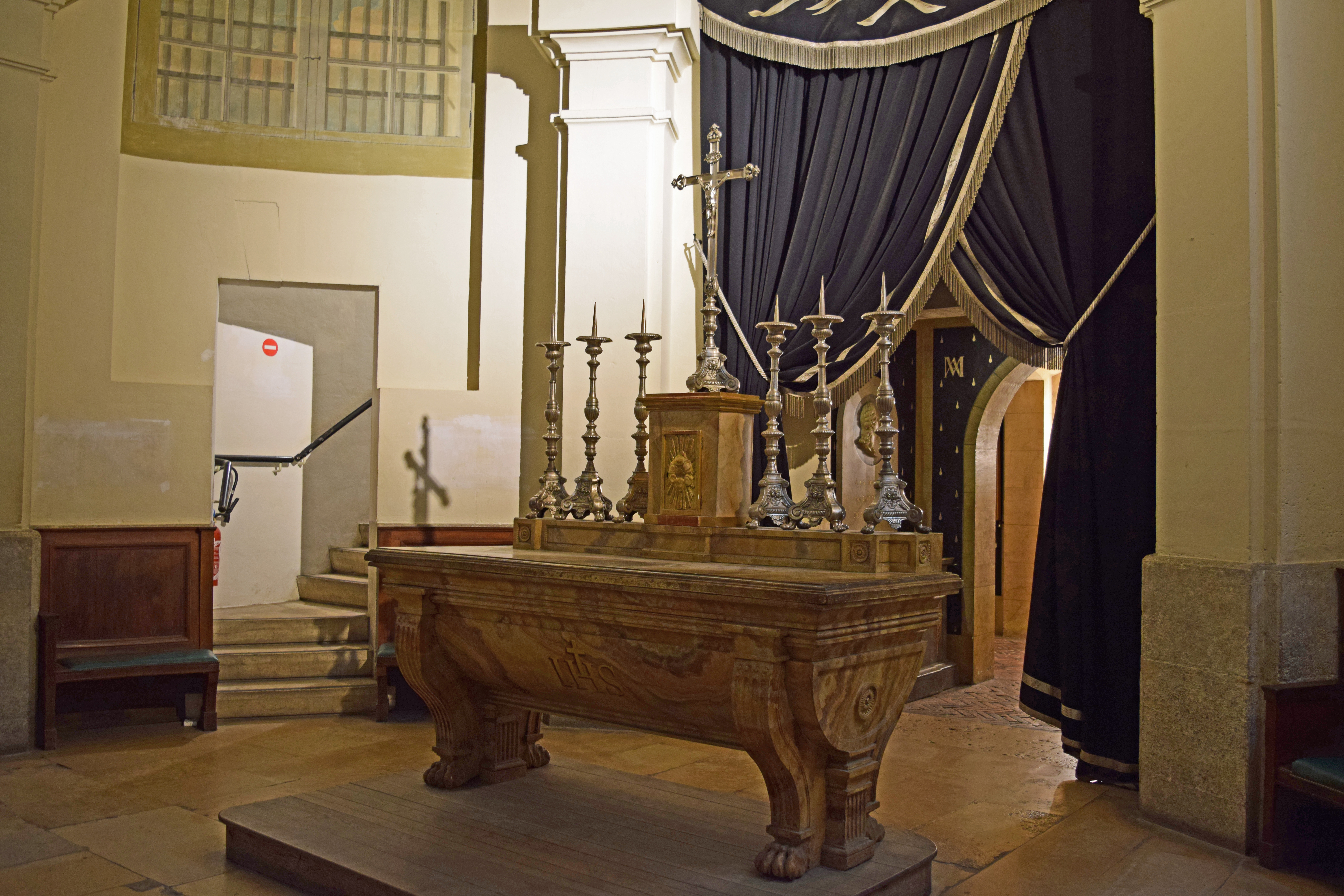
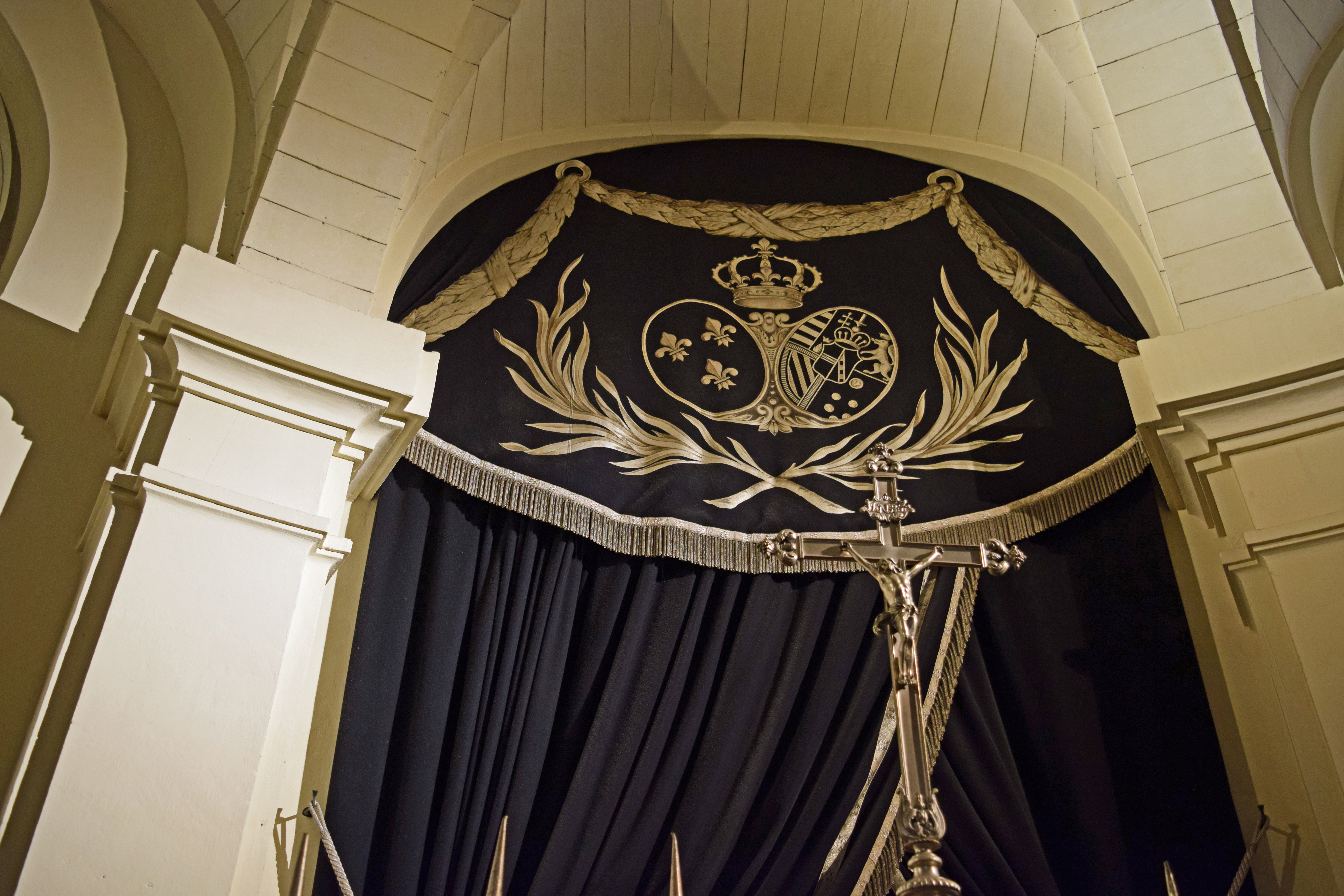
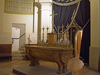
The royal chapel was called the "Chapel of the Girondists" after 21 Girondist deputies were imprisoned there on the nights of October 29 and 30, 1793. The Girondists were a political faction fundamentally opposed to the monarchy, but less fanatical in their desire to overthrow the monarchy. Their execution was the beginning of the Reign of Terror.
The wall is draped in black as a sign of mourning.
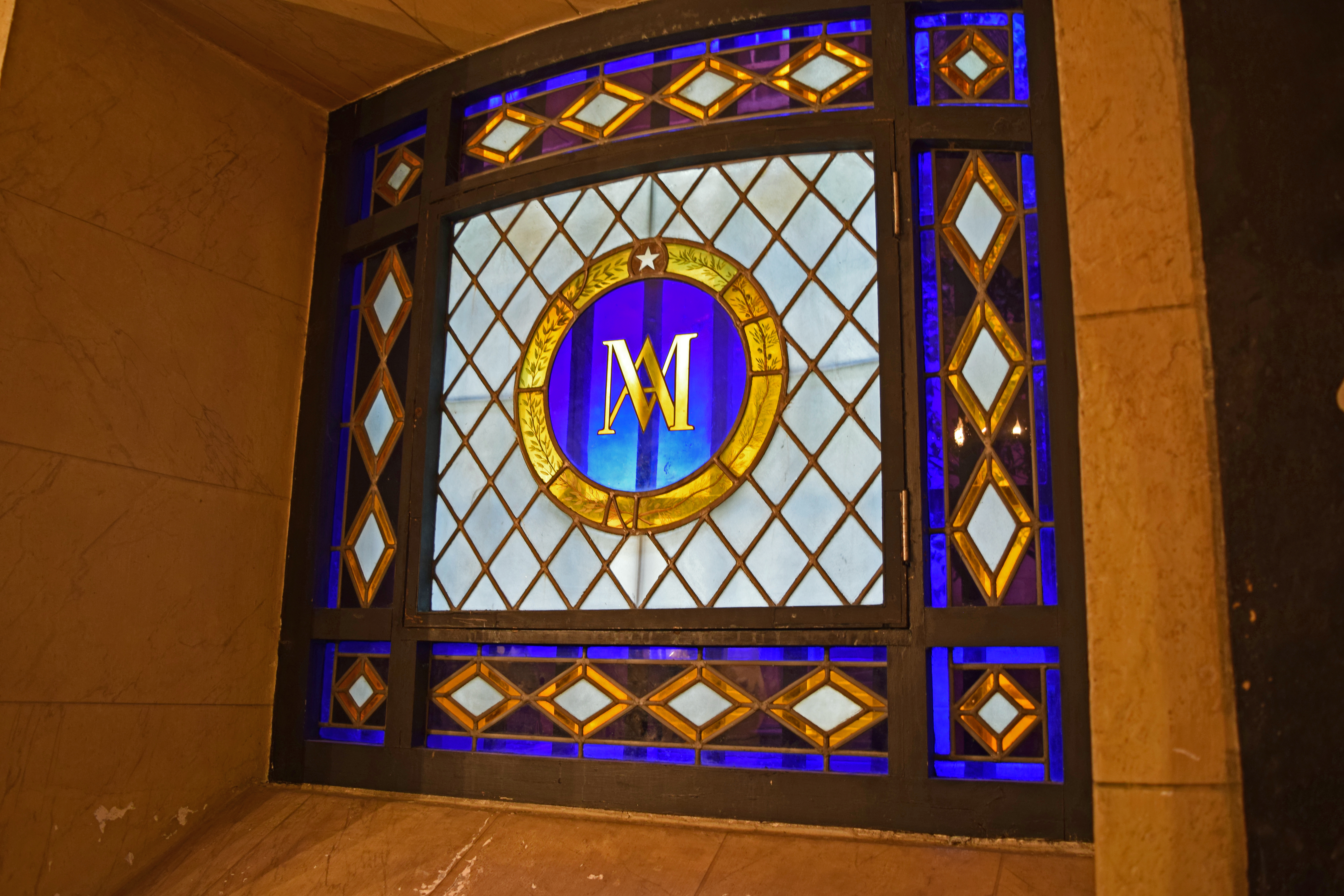
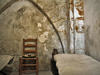
Window in Marie Antoinette's cell
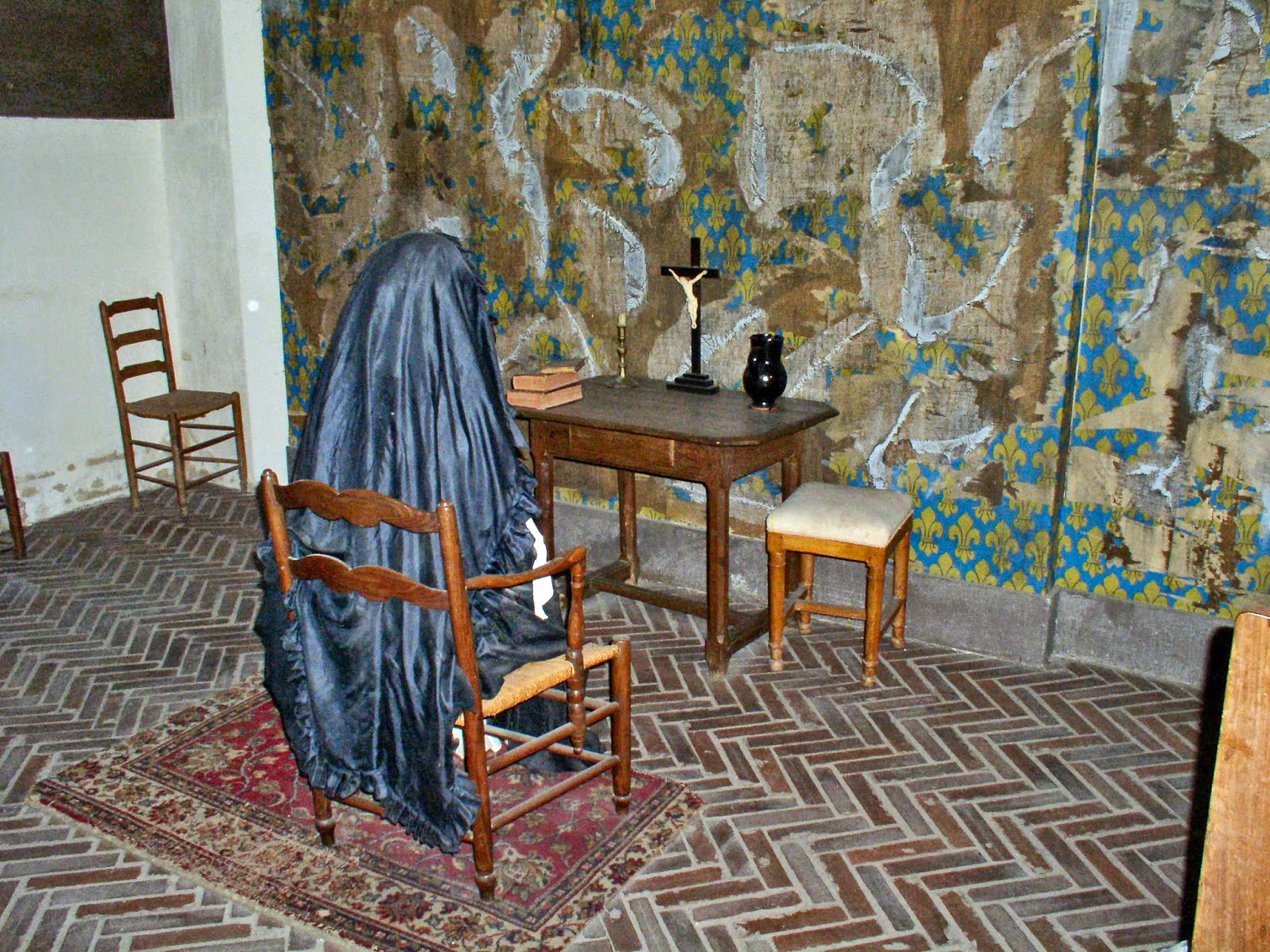
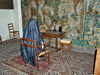
A reconstruction of Marie-Antoinette's cell
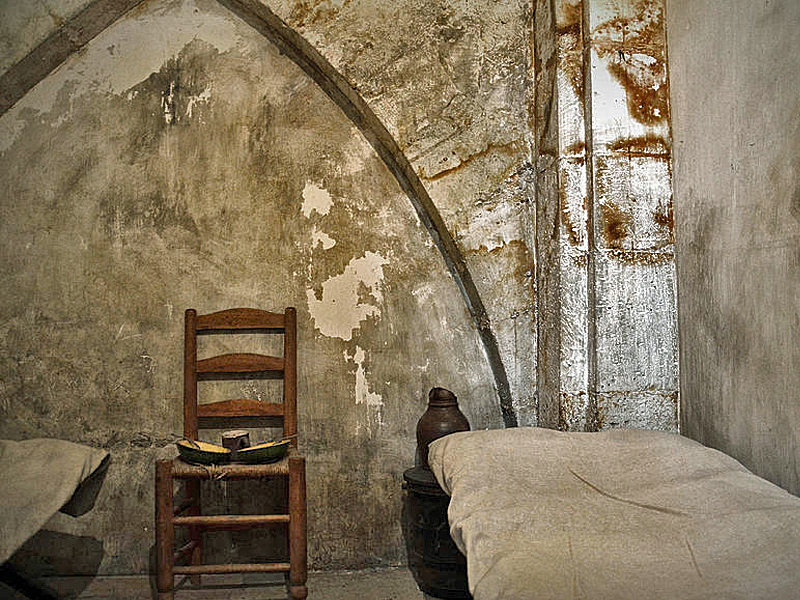
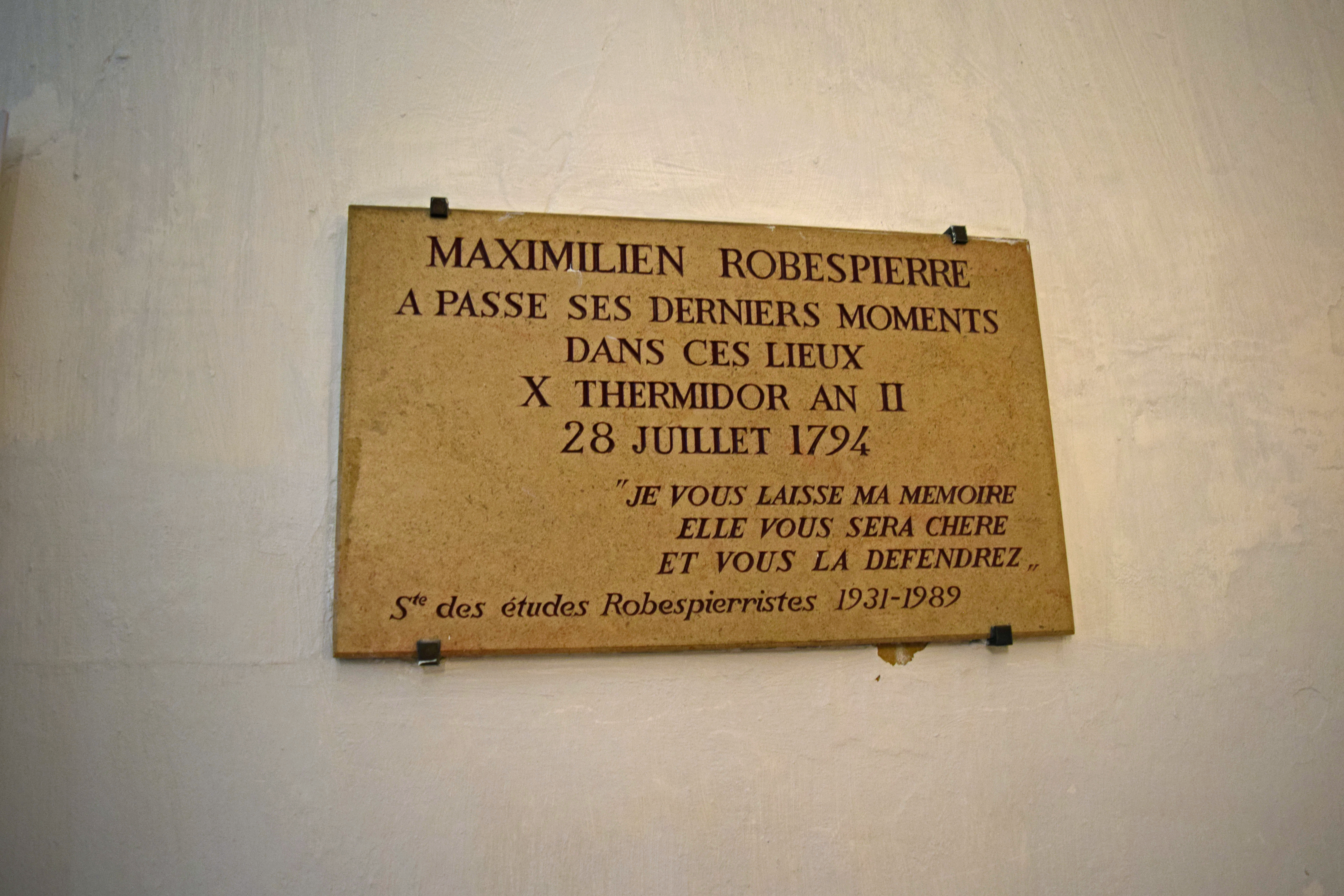
Maximilien Robespierre spent his last moments in these surroundings. Thermidor 10, Year 2 is July 28, 1794, when Robespierre was guillotined. "I leave you my memory. It will be dear to you, and you will defend it."
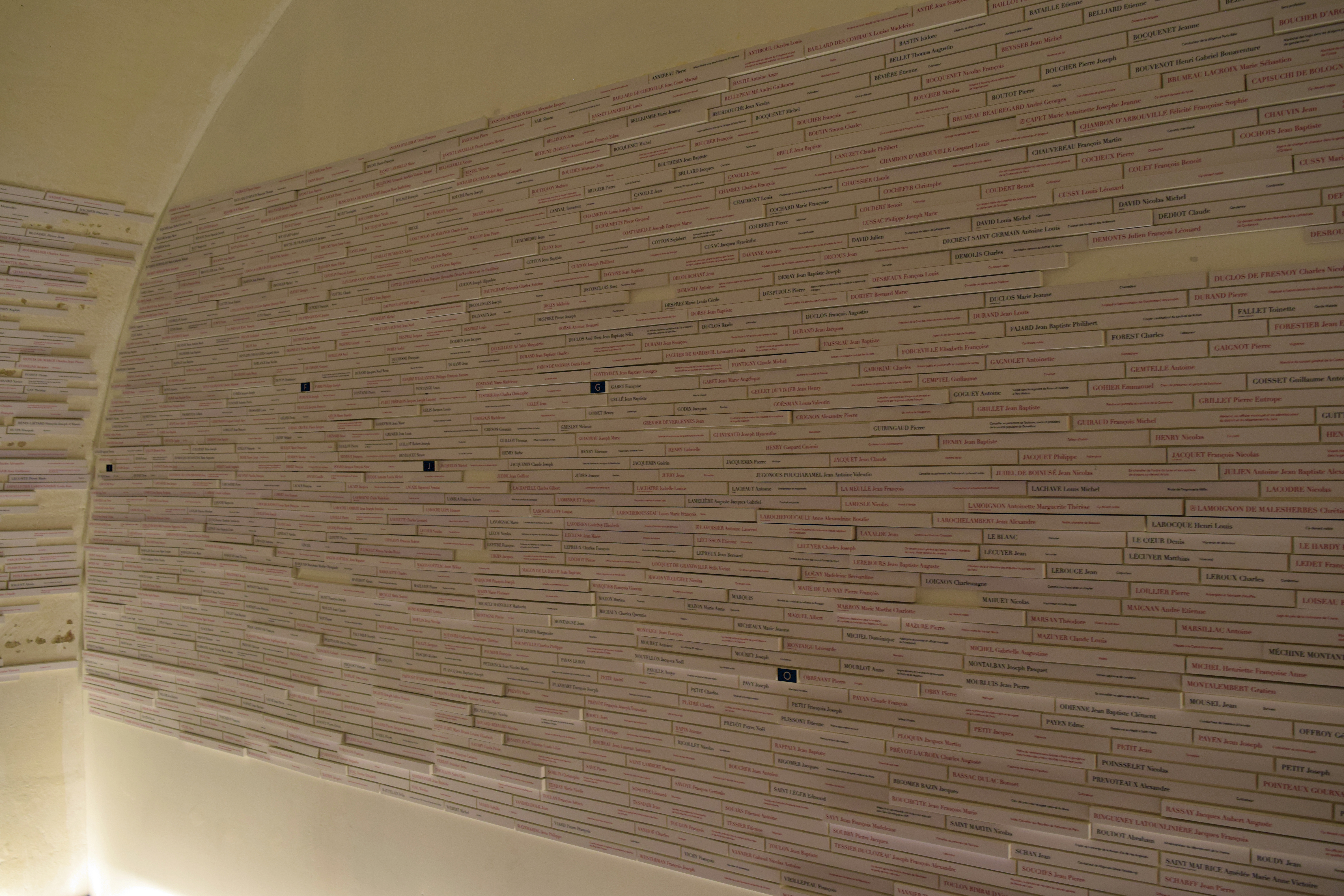
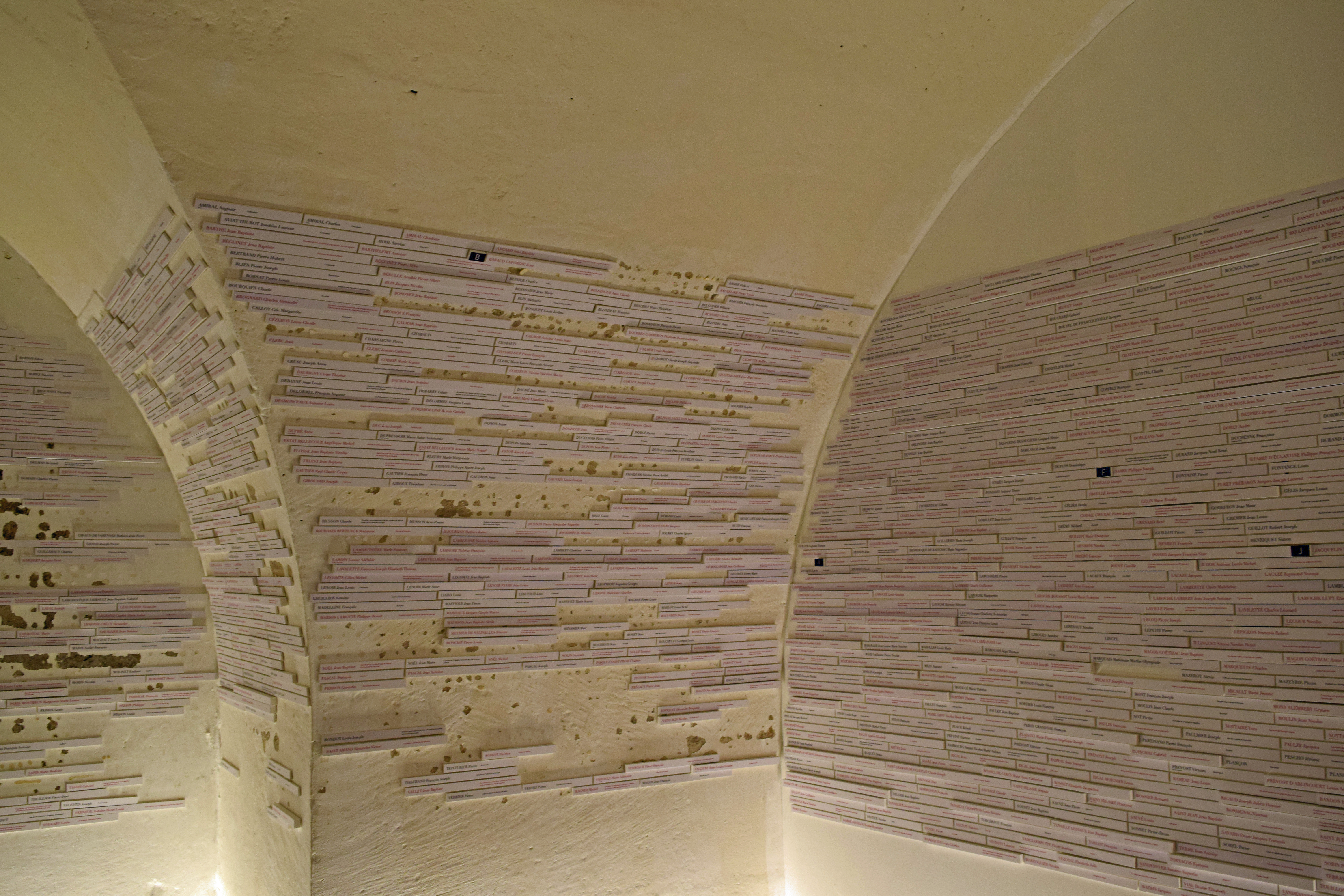
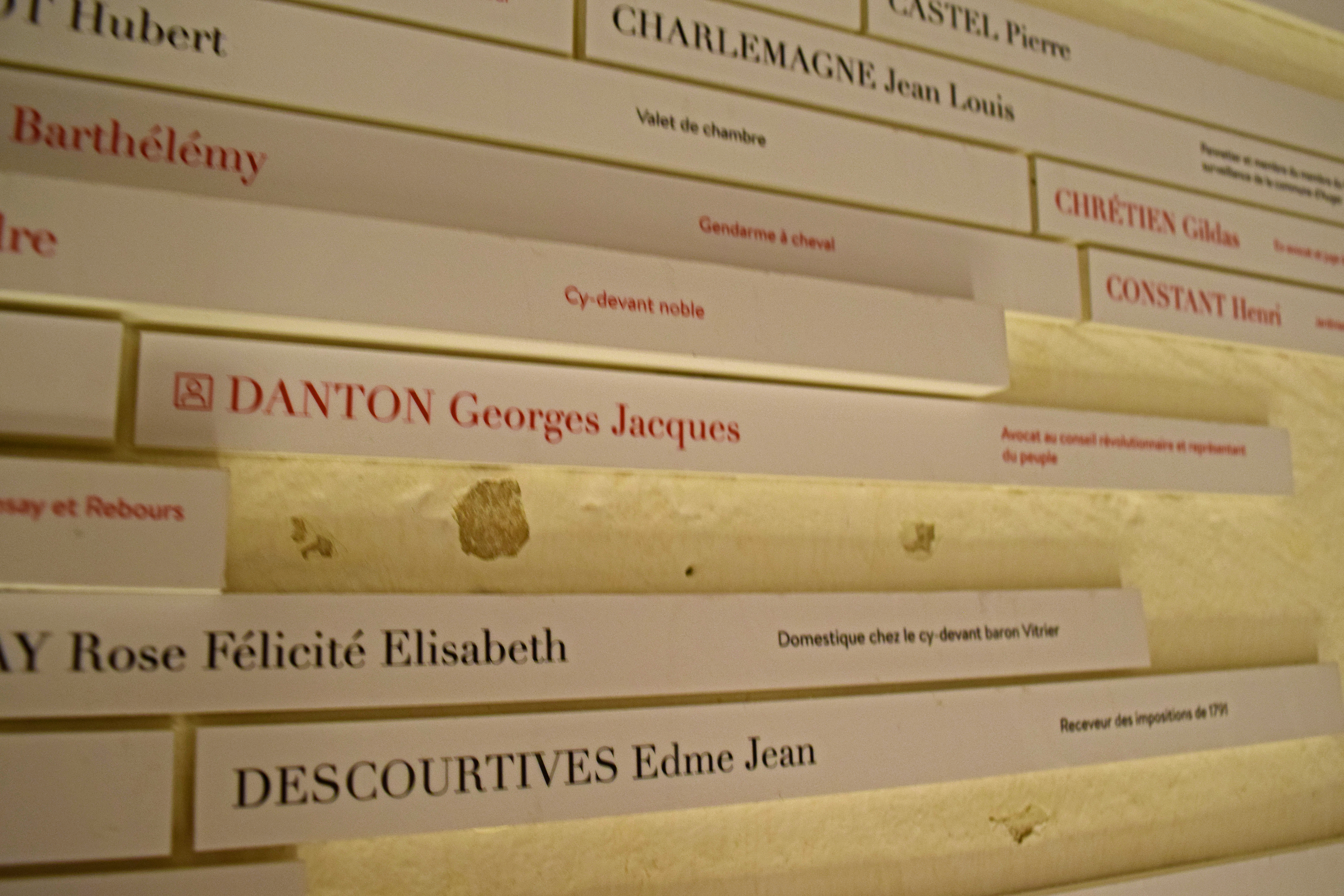
Despite lasting only ten months, during the Reign of Terror (September 1793-July 1794), more than 40,000 people died from execution and imprisonment. The Conciergerie prison, also known as the antechamber to the guillotine, became the central penitentiary of a network of prisons throughout Paris, and was the final stop of over 2,700 people who were summarily executed by guillotine. Prisoners were guillotined every day by Monsieur de Paris, as all executioners were called, and the guillotine was dubbed the National Razor, as the patriotic instrument of execution.
|